Plumber in Maple Valley, Washington: Choosing Help and Handling Emergencies
What qualifies as a plumbing emergency in Maple Valley?
A plumbing emergency threatens property, sanitation, or safe water use and needs prompt attention. Common examples include a burst pipe, sewage backup, uncontrollable leak, or loss of essential water service. Shut off the nearest valve if safe, protect belongings, and avoid electrical areas near water. Share photos and the location of the problem when requesting help.
How can I avoid getting overcharged by a plumber in Maple Valley?
A clear written estimate helps you compare plumbing work before approving it. Ask what labor, materials, access work, cleanup, and possible repairs the estimate includes. Describe the symptoms accurately and provide photos when possible. Our team explains the recommended work and confirms the estimate before work begins, so you can make an informed decision.
Frequently Asked Questions About Emergency Plumbing
What should I do before Emergency Plumbing help arrives?
Emergency Plumbing preparation starts by stopping the water source when it is safe. Turn off the fixture valve or main shutoff, move valuables away from water, and avoid wet electrical areas. Note where the leak or backup began. Photos, valve locations, and information about recent plumbing work help our team assess the situation.
Which problems need Emergency Plumbing instead of routine scheduling?
Emergency Plumbing is appropriate for active flooding, burst pipes, sewage backups, and leaks that cannot be controlled. A slow drain or minor drip may allow routine scheduling if no damage is spreading. Shutoffs, visible damage, affected rooms, and water contamination help determine urgency. We use those details to guide the next practical step.
More about Emergency Plumbing
Frequently Asked Questions About Drain Cleaning
What does Drain Cleaning include for a backed-up sink or shower?
Drain Cleaning removes the blockage causing a slow, standing, or backed-up drain. Our team checks the affected fixture, identifies accessible drain conditions, and selects a suitable clearing method. Share which fixtures are affected and whether the problem returns. Repeated backups can point to a deeper line issue that needs further inspection.
Can I clear a clogged drain myself before booking Drain Cleaning?
Drain Cleaning may be needed when plunging does not restore normal flow or the blockage returns. Avoid mixing chemical products, because fumes and residue can create safety problems for people and technicians. Tell us what you tried, which fixtures are affected, and whether wastewater is backing up. That information helps us plan the visit.
More about Drain Cleaning
Frequently Asked Questions About Hydro Jetting
When is Hydro Jetting a better choice for a recurring drain problem?
Hydro Jetting is a strong choice when heavy buildup, grease, scale, or roots keep restricting a drain line. High-pressure water cleans the inside of an accessible pipe more thoroughly than a basic blockage clearing. A camera inspection can help confirm pipe condition first, especially when the line is old or repeatedly fails.
What should I know before choosing Hydro Jetting for my Maple Valley property?
Hydro Jetting depends on pipe condition, access, blockage type, and the line’s location. Our team checks whether the pipe can safely handle the cleaning method before proceeding. Provide details about backups, previous cleanings, and known pipe repairs. A quote reflects access, preparation, cleaning needs, and any condition revealed during evaluation.
More about Hydro Jetting
Frequently Asked Questions About Sewer Line Cleaning
What signs suggest my property needs Sewer Line Cleaning?
Sewer Line Cleaning may help when multiple drains slow down, wastewater backs up, or unpleasant sewer odors return. Gurgling fixtures and repeated blockages also suggest a shared line problem. Record which fixtures are affected and when symptoms occur. Our team can assess whether cleaning is suitable or whether the line needs inspection.
How does Sewer Line Cleaning differ from clearing one household drain?
Sewer Line Cleaning addresses buildup or obstruction in a shared sewer pipe, while household drain clearing targets a smaller branch or fixture line. The affected location determines the right service. Multiple slow fixtures point toward a larger line. A single sink or shower problem may stay limited to that fixture’s drain.
More about Sewer Line Cleaning
Frequently Asked Questions About Sewer Camera Inspection
Should I get a Sewer Camera Inspection before approving sewer repairs?
A
Sewer Camera Inspection can show the location and condition of a sewer line before repair approval. The camera may reveal roots, breaks, offsets, buildup, or collapsed sections. Keep clean access to the inspection point and share prior repair information. The findings help match the repair plan to the actual pipe problem.
What affects the scope of a Sewer Camera Inspection on my property?
A Sewer Camera Inspection depends on access points, pipe layout, blockage conditions, and how far the camera can travel. Our team reviews visible symptoms and available cleanouts before choosing the inspection approach. Share a site plan or recent plumbing records if available. A quote reflects access and the inspection work required.
More about Sewer Camera Inspection
Frequently Asked Questions About Sewer Line Repair
What causes Sewer Line Repair needs in Maple Valley homes?
Sewer Line Repair addresses localized damage such as cracks, separated joints, root intrusion, or shifted pipe sections. Soil movement, mature roots, and aging materials can contribute to these problems. A camera inspection helps identify the damaged area. The repair plan depends on pipe condition, access, depth, and the location of the failure.
What information should I provide when scheduling Sewer Line Repair?
Sewer Line Repair planning benefits from photos, backup locations, cleanout details, and records of previous work. Tell us whether multiple fixtures are affected and whether the issue follows heavy rain. Property access and known utility locations also matter. These details help our team prepare for inspection, repair selection, and site protection.
More about Sewer Line Repair
Frequently Asked Questions About Sewer Line Replacement
When does Sewer Line Replacement make more sense than a localized repair?
Sewer Line Replacement is considered when a sewer pipe has widespread damage, repeated failures, collapse, or poor remaining condition. A localized repair may suit a limited defect in an otherwise sound line. Camera findings, pipe material, access, depth, and property layout guide the recommendation. We explain the work before approval.
Are excavation, cleanup, and restoration included in Sewer Line Replacement planning?
Sewer Line Replacement planning addresses excavation, pipe installation, access, cleanup, and affected surface restoration. The exact scope depends on pipe depth, landscaping, hardscape, utilities, and required site access. Ask for each part to appear in the estimate. Our team reviews the property conditions so the proposed work is clear.
More about Sewer Line Replacement
Frequently Asked Questions About Trenchless Sewer Repair
What is the difference between Trenchless Sewer Repair and traditional replacement?
Trenchless Sewer Repair restores a damaged sewer line through limited access points, while traditional replacement exposes more of the pipe through excavation. Trenchless suitability depends on pipe alignment, access, damage type, soil, and connection locations. A camera inspection and property review determine whether the method fits your Maple Valley site.
Is Trenchless Sewer Repair suitable for every damaged sewer line?
Trenchless Sewer Repair is not suitable for every sewer line because severe collapse, poor alignment, limited access, or connection conditions can prevent its use. Our team reviews the pipe and property before recommending a method. The estimate reflects access, preparation, installation requirements, and any restoration needed around the work area.
More about Trenchless Sewer Repair
Frequently Asked Questions About Water Line Repair
What signs point to a Water Line Repair problem?
Water Line Repair may be needed when you notice unexplained wet areas, low pressure, discolored water, sudden usage changes, or water collecting near the foundation. A leak between the main and building can remain hidden underground. Note where symptoms appear and whether shutting off fixtures changes them. Site access affects the repair plan.
What changes the scope of Water Line Repair at a Maple Valley property?
Water Line Repair scope depends on the leak location, pipe material, access, soil, connections, and damage extent. Our team evaluates whether the line can be repaired without replacing a larger section. Share utility information and recent landscaping details. A quote explains the work needed to restore the supply line.
More about Water Line Repair
Frequently Asked Questions About Water Line Replacement
When should a property owner consider Water Line Replacement?
Water Line Replacement may be appropriate when a supply line has repeated leaks, widespread corrosion, poor flow, or damage across a longer section. A single accessible defect may only need repair. Pipe material, age, route, soil, connections, and property disruption guide the recommendation. We review those conditions before work begins.
What should I prepare before requesting Water Line Replacement?
Water Line Replacement planning benefits from utility records, prior repair details, access information, and photos of visible symptoms. Keep the route clear where possible and identify landscaping or hardscape that may be affected. Our team uses those details to assess the installation approach and prepare a clear estimate.
More about Water Line Replacement
Frequently Asked Questions About Water Leak Detection
What signs call for Water Leak Detection inside a home?
Water Leak Detection helps investigate unexplained moisture, wall or ceiling stains, mold-like odors, pressure changes, and unusual water use. Sounds behind walls or warm floor areas can also indicate hidden plumbing problems. Shut off water if damage is spreading. Photos and the timing of symptoms help narrow the search.
How does Water Leak Detection help before opening walls or floors?
Water Leak Detection helps locate the suspected source before unnecessary access work begins. Our team compares visible damage, fixture conditions, pressure symptoms, and accessible plumbing routes. The exact approach depends on the structure and leak location. Once the source is identified, the repair scope and affected materials can be discussed.
More about Water Leak Detection
Frequently Asked Questions About Water Leak Repair
What does Water Leak Repair address after a leak is found?
Water Leak Repair stops or controls the failed plumbing connection, pipe, valve, or fixture causing water loss. Our team checks the surrounding area for related damage and confirms the repaired section works properly. The required work depends on access, pipe material, leak location, and whether nearby components also show wear.
Should I shut off the water before scheduling Water Leak Repair?
Water Leak Repair should follow water shutoff when an active leak is causing damage and the valve is safe to reach. Place containers under controlled drips and protect belongings without entering electrical hazards. Tell us whether the leak is constant or fixture-related. That information helps determine the urgency and likely access point.
More about Water Leak Repair
Frequently Asked Questions About Burst Pipe Repair
What should I do first when I need Burst Pipe Repair?
Burst Pipe Repair starts with shutting off the main water supply when safe to do so. Open a faucet briefly to reduce pressure, avoid wet electrical areas, and move valuables from the affected space. Photograph the damage and note the pipe location. Do not cover active electrical equipment with wet materials.
More about Burst Pipe Repair
Frequently Asked Questions About Frozen Pipe Repair
What should I do if I suspect I need Frozen Pipe Repair?
Frozen Pipe Repair begins with shutting off water if a pipe is cracked, bulging, or leaking. Keep heat away from open flames and avoid sudden high heat on the pipe. Open a faucet only when safe. Tell us where the freezing occurred and whether thawing has already started, because damage may appear afterward.
Which signs indicate a pipe needs Frozen Pipe Repair?
Frozen Pipe Repair may be needed when a fixture loses water, a pipe bulges, or thawing reveals a split and active leak. Frost on exposed piping can also signal a problem. Stop water flow when safe and protect the area. Pipe location, material, and access determine the repair approach.
More about Frozen Pipe Repair
Frequently Asked Questions About Whole-House Repiping
When is Whole-House Repiping worth considering?
Whole-House Repiping is considered when many supply lines have repeated leaks, corrosion, poor flow, or widespread material problems. Replacing one failed section may be enough when the rest of the system remains sound. Our team reviews symptoms, pipe material, access, occupied rooms, and fixture connections before outlining options.
What should I expect from Whole-House Repiping planning?
Whole-House Repiping planning covers accessible pipe routes, fixture connections, wall or ceiling access, water shutoffs, and protection of occupied spaces. The property layout and existing pipe material shape the work sequence. Share remodeling plans and known leak areas. A clear estimate separates the proposed plumbing work from related access or restoration.
More about Whole-House Repiping
Frequently Asked Questions About Water Heater Repair
What problems commonly need Water Heater Repair?
Water Heater Repair may address inadequate hot water, leaks, unusual noises, poor recovery, faulty controls, or inconsistent temperature. The unit type, age, condition, and failed component affect the repair decision. Turn off power or fuel only when you can do so safely. Share the model information and visible symptoms.
What should I check before scheduling Water Heater Repair?
Water Heater Repair preparation includes noting whether the issue affects all fixtures, checking for visible leaks, and recording error messages or unusual sounds. Do not remove safety components or work around gas connections. Clear access around the unit and provide its model information. Those details help focus the inspection.
More about Water Heater Repair
Frequently Asked Questions About Water Heater Installation
What affects Water Heater Installation choices for a Maple Valley property?
Water Heater Installation choices depend on household demand, available fuel or power, venting, space, connections, and local installation requirements. Existing plumbing may need changes to support the selected unit. Our team reviews the location and current system before recommending an installation plan. The estimate reflects equipment, connections, access, and required work.
How should I prepare for Water Heater Installation?
Water Heater Installation preparation includes clearing the equipment area, identifying the main water shutoff, and sharing information about the current unit. Keep pathways open for removal and installation. Tell us about hot-water shortages, expansion plans, or remodeling. Those details help match the replacement to the property’s needs.
More about Water Heater Installation
Frequently Asked Questions About Sump Pump Repair
What signs indicate I need Sump Pump Repair?
Sump Pump Repair may be needed when the pump does not start, runs constantly, makes unusual sounds, or fails to lower the pit level. Water near the foundation or a rising basin also needs prompt attention. Do not enter standing water near electrical equipment. Share pump behavior and recent weather details.
What affects the scope of Sump Pump Repair?
Sump Pump Repair scope depends on the pump condition, power supply, discharge route, float operation, pit condition, and water volume. Our team checks the system components that control drainage. Keep the pit accessible and note whether the problem occurs during rain or continuously. The estimate reflects the failed component and access.
More about Sump Pump Repair
Frequently Asked Questions About Sump Pump Installation
When does a property need Sump Pump Installation?
Sump Pump Installation can help properties where groundwater collects in a sump basin or below-grade space needs active drainage. Site drainage, basin condition, discharge routing, power, and backup needs affect the installation plan. Our team reviews the area before recommending equipment and connection work suited to the property.
More about Sump Pump Installation
Frequently Asked Questions About Garbage Disposal Repair
What should I do when a garbage disposal needs repair?
Garbage Disposal Repair is appropriate for a unit that hums, leaks, jams, fails to start, or drains poorly. Turn off power before checking the area and never place a hand inside the disposal. Note whether the issue is electrical, mechanical, or drainage-related. Our team checks the unit and connected piping.
More about Garbage Disposal Repair
Frequently Asked Questions About Garbage Disposal Installation
What should I consider before Garbage Disposal Installation?
Garbage Disposal Installation depends on sink mounting, cabinet space, electrical access, drain connections, and the selected unit’s requirements. Existing piping may need adjustment for proper drainage. Our team reviews the sink and cabinet before installation. Tell us whether the project replaces an old unit or adds disposal service.
Can Garbage Disposal Installation work with my existing kitchen plumbing?
Garbage Disposal Installation can work with existing kitchen plumbing when the sink, drain, electrical connection, and cabinet space support the unit. Compatibility must be checked at the property. Keep the cabinet clear and provide the unit information if already purchased. The estimate reflects connection changes and installation access.
More about Garbage Disposal Installation
Frequently Asked Questions About Toilet Repair
What toilet problems usually need Toilet Repair?
Toilet Repair addresses running water, weak flushing, clogs, leaks at the base, tank issues, and loose or damaged components. Shut off the toilet valve if water is overflowing. Tell us whether the bowl, tank, supply connection, or base is leaking. That detail helps identify the likely repair area.
When should a toilet leak receive Toilet Repair attention?
Toilet Repair should receive prompt attention when water reaches the floor, the toilet rocks, or flushing causes leakage around the base. A running tank can also waste water and signal a failed component. Avoid repeated flushing during a backup. The repair scope depends on the leak source and toilet condition.
More about Toilet Repair
Frequently Asked Questions About Toilet Installation
What does Toilet Installation involve in a Maple Valley bathroom?
Toilet Installation connects the bowl and tank to the existing water supply and waste connection, then checks stability and operation. Floor condition, flange alignment, rough-in dimensions, and access affect the work. Clear the bathroom area and share the toilet model if selected. Our team confirms compatibility before installation.
What should I check before scheduling Toilet Installation?
Toilet Installation planning should account for bathroom space, flange condition, supply valve access, floor damage, and the replacement toilet’s dimensions. Measure the available area and keep the old unit accessible for removal. Tell us about prior leaks or rocking. Those details help identify related repairs before the new toilet is fitted.
More about Toilet Installation
Frequently Asked Questions About Faucet Repair
What faucet problems can Faucet Repair address?
Faucet Repair can address dripping, leaking handles, loose mounting, poor flow, spray problems, and worn internal components. A leak under the sink may involve supply connections rather than the faucet body. Clear the cabinet and note whether the leak occurs during use or continuously. That information guides the inspection.
When is Faucet Repair preferable to replacing a faucet?
Faucet Repair may suit a fixture with an accessible failed component and sound body, while replacement may fit a damaged or heavily worn faucet. Model availability, corrosion, mounting condition, and the leak source guide the choice. Our team checks the fixture and connections before explaining the practical option.
More about Faucet Repair
Frequently Asked Questions About Faucet Installation
Do I need a plumber to install a faucet?
A plumber helps when the faucet fit, shutoff valves, supply lines, or sink opening need inspection. PlumbingMaplevalley.link installs faucets for homes and businesses. We check the mounting hardware, connect the water lines, and test for leaks. This also helps identify a worn valve or damaged line that a fixture swap alone would leave in place.
What changes the cost of installing a faucet?
The faucet type, sink opening, access below the sink, shutoff valves, and supply lines shape the estimate. A pull-out kitchen faucet has different connection needs from a basic bathroom faucet. We inspect the work area and provide a clear estimate before authorized work begins, so the recommended parts and labor match the actual installation.
How long should a faucet installation take?
The work time depends on access, the old fixture, connection condition, and whether the new faucet fits the existing sink opening. A seized valve or corroded supply line can add work. We assess those points before starting and explain the installation steps in the estimate, rather than assigning a time without seeing the sink.
Can I install a new faucet over an old sink opening?
A new faucet can fit an old sink when its base and mounting layout match the opening. The sink material, hole spacing, mounting hardware, and available clearance decide the fit. We check those details before securing the fixture. If the layout differs, we explain the practical options before authorized work begins.
Why does a faucet leak after installation?
A faucet may leak after installation when a seal, threaded connection, supply line, or shutoff valve does not seat correctly. We isolate the wet point and test the fixture under normal flow. A leak at the base differs from a leak below the cabinet, so tracing the water source guides the repair.
More about Faucet Installation
Frequently Asked Questions About Shower Valve Repair
Who provides shower valve repair in Maple Valley?
PlumbingMaplevalley.link provides
shower valve repair for residential and commercial properties in Maple Valley. We inspect the valve, identify the likely failed part, and explain the repair scope. Our service covers leaks, dripping showerheads, loose handles, and poor temperature control. We also provide a clear estimate before authorized work begins.
What causes a shower mixing valve to lose temperature control?
A worn cartridge often causes a shower mixing valve to lose steady temperature control. Mineral buildup, damaged seals, or a valve-body problem can also affect handle movement and water balance. We check the handle response and internal control parts before recommending repair. The estimate reflects the part and access needs identified during diagnosis.
Can a leaking shower valve damage the wall?
A leaking shower valve can let moisture reach the wall opening or trim area. Water behind the trim deserves inspection because the visible drip may not show the full leak path. We check accessible connections, seals, and the valve body, then explain the next repair step. Keep the area dry and avoid forcing a stiff handle.
How do you know whether to repair or replace a shower valve part?
The valve's condition and the failed part guide the repair or replacement decision. We compare the symptom with cartridge movement, seal condition, trim access, and valve-body integrity. A worn removable part may support targeted repair, while body damage can require a different scope. We explain those findings before authorized work begins.
More about Shower Valve Repair
Frequently Asked Questions About Hose Bib Repair
Who installs and repairs outdoor hose bibs?
PlumbingMaplevalley.link repairs outdoor hose bibs for residential and commercial properties. We inspect the valve, handle, threads, shutoff, and connected supply pipe before recommending work. The repair may involve a worn internal part, a damaged connection, or replacement of the faucet itself. We explain the finding and provide a clear estimate before authorized work begins.
What makes a hose bib repair cost more?
The failed part, wall access, thread condition, and connected pipe affect the repair cost. A worn washer may need less work than a damaged wall-side fitting or supply line. Access also matters if the connection sits behind a finished wall or tight exterior area. We inspect the actual fault and explain the estimate before work starts.
Can a handyman fix a leaking outdoor faucet?
A handyman may handle a simple visible drip, but a wall-side leak needs plumbing diagnosis. Water can travel behind siding or trim when the connection or supply pipe fails. We check the valve, threads, shutoff, and exposed pipe to separate a minor part issue from a deeper plumbing fault. That check helps protect the property from hidden moisture.
How do I know if the whole outdoor faucet needs replacement?
Replacement becomes more likely when the valve body, threads, or connected fitting is damaged beyond a targeted repair. A worn washer or packing seal may only need a part repair. We compare the condition of the bib, connection, and supply pipe before recommending either path. The estimate identifies the work tied to the observed fault.
More about Hose Bib Repair
Frequently Asked Questions About Water Pressure Repair
Can a plumber fix low water pressure?
PlumbingMaplevalley.link can diagnose and repair many causes of low water pressure. The cause may involve a shutoff valve, pressure regulator, leak, supply pipe, or fixture part. We first identify whether the issue affects one outlet or the wider system. Then we explain the repair scope and provide a clear estimate before authorized work begins.
Why is my water pressure low right now?
A sudden pressure drop can come from a leak, closed valve, failed regulator, or restricted pipe. The affected fixtures provide the first clue. If every outlet changed, the supply path needs attention. If one outlet changed, a local valve or fixture part may be involved. We trace that pattern before recommending work.
What changes the cost of pressure repair?
The repair scope depends on the failed part, access, leak location, and whether one fixture or the whole property is affected. A regulator or exposed valve may require a different job from a hidden supply pipe. We inspect the issue first, explain the work that fits the diagnosis, and give a clear estimate before authorized work.
What should I do before the plumber arrives?
Keep access clear around affected fixtures, the main shutoff, and visible pipe sections. Note when the pressure changed and whether several outlets show the same symptom. If you see active leaking, close the nearest safe shutoff and protect nearby belongings. Photos of wet spots or damaged fittings can help us understand the starting condition.
Is high water pressure a plumbing repair issue?
High pressure can require repair when it stresses valves, fixtures, appliances, or pipe connections. A regulator, control valve, or supply condition may be involved. We check the system before recommending adjustment or part replacement. The right scope depends on where the pressure is high and whether the issue affects the entire property.
More about Water Pressure Repair
Frequently Asked Questions About Backflow Testing
Who provides backflow testing for homes and businesses?
PlumbingMaplevalley.link provides
backflow testing for residential and commercial properties. We inspect the prevention assembly, check the test conditions, and explain the result. The property owner should provide access to the equipment and any prior record. If the assembly fails, we describe the part or condition that needs attention before authorized repair work begins.
What changes the cost of a backflow test?
Access, assembly condition, test setup, and follow-up repair needs change the cost. An exposed assembly with clear access generally requires less preparation than equipment behind stored items or difficult covers. We review the job details before authorized work and provide a clear estimate when repair or replacement is needed. We don’t assign a price from the service name alone.
Does a failed test mean I need a new assembly?
A failed test does not automatically require a new assembly. The result may point to a valve, seal, connection, or other service issue. We inspect the equipment and explain whether targeted repair or replacement fits the finding. Replacing sound parts without checking the readings can waste money and leave the real issue unresolved.
How should I prepare for a backflow testing visit?
Clear access to the assembly and gather any test notice or prior record. Please point out leaks, unusual flow, and recent plumbing work. Useful information includes the property type and the location of the device. These details help us focus the inspection and explain the result without adding unrelated plumbing work.
Can backflow testing find a leak in my plumbing?
Backflow testing checks the prevention assembly, not every pipe or fixture leak. A leaking valve or fitting near the assembly may become visible during the visit, but other leaks need a separate plumbing diagnosis. We’ll explain which finding belongs to the assembly and which concern may require another inspection.
More about Backflow Testing
Frequently Asked Questions About Backflow Preventer Repair
Who repairs a backflow preventer for Maple Valley properties?
PlumbingMaplevalley.link repairs backflow preventers for residential and commercial properties in Maple Valley and nearby communities. We inspect the valve, connected piping, internal checks, seals, and relief section. Then we explain the failed part and the repair path. Clear estimates come before authorized work begins, so you know what the proposed repair covers before service proceeds.
What usually causes a backflow preventer to leak?
A worn seal, damaged check, debris, pressure fault, or corroded connection can cause a backflow preventer to leak. The visible drip doesn’t always show the failed part. We trace the water path and inspect the valve body before recommending repair. That check helps separate a part issue from damage that calls for a replacement decision.
Can a plumber repair a preventer after a failed check?
Yes, a plumber can inspect and repair a preventer after a failed check when the valve and parts support safe restoration. A failed check may come from debris, worn seals, pressure changes, or internal damage. We identify the cause, isolate the affected section, and explain the approved work. The final check focuses on the repaired valve and nearby connections.
More about Backflow Preventer Repair
Frequently Asked Questions About Water Filtration System Installation
Who installs water filtration systems for Maple Valley properties?
PlumbingMaplevalley.link installs water filtration systems for residential and commercial properties in Maple Valley. We assess the water concern, equipment location, supply piping, and shutoff access before preparing the proposed work. The installation can focus on selected fixtures or a broader plumbing setup. A clear estimate explains the planned connections before authorized work begins.
What changes the cost of a filtration system installation?
Installation cost changes with equipment scope, access, piping changes, connection points, and the number of fixtures served. A point-of-use setup may require less plumbing than a whole-home arrangement, but the property layout still matters. We review those factors and provide a clear estimate before authorized work begins, so the proposed scope is defined.
Should I choose a whole-home or point-of-use filter?
The best choice depends on which fixtures need treatment and what water concern you want to address. Point-of-use filtration focuses on a selected faucet or fixture, while whole-home filtration connects near the incoming supply. We compare placement, access, connection work, and intended use before recommending a setup for the property.
Do you need a plumber to install a water filter?
A plumber is useful when the filter needs new supply connections, shutoff work, leak checks, or changes to existing piping. Simple cartridge changes differ from a new system installation because installation connects equipment to the water supply. We inspect the proposed location and explain the plumbing work needed for the selected setup.
What should I check before approving the equipment?
The equipment should match the water concern, fixture coverage, available space, and connection path. Check where replacement filters will be accessed and how the system can be isolated for service. We discuss those points during planning and include the proposed installation scope in the estimate before authorized work begins.
More about Water Filtration System Installation
Frequently Asked Questions About Water Softener Installation
Where should a water softener be installed?
A water softener belongs near the main water entry when that location provides service access and a suitable drain path. The equipment also needs room around its valves and connections. We review the incoming line, shutoff, floor or wall access, and nearby fixtures before choosing the final position. A hidden unit can make later checks harder.
Can a water softener cause plumbing problems?
A poorly connected water softener can cause leaks, restricted flow, backflow risk, or untreated water. We check supply direction, fittings, bypass position, and drain routing during the installation. We also inspect visible joints after connection. These checks help catch failure points before the system is left in service.
Does a water softener need a drain connection?
A water softener needs a suitable drain path for regeneration discharge. The route must connect correctly and remain separate from the treated water supply. We inspect the proposed drain point, connection method, and access before work begins. If the available route cannot support the setup, the estimate will identify the required plumbing change.
What are the downsides of having a water softener?
A water softener needs space, a drain connection, routine attention, and a suitable plumbing layout. Some properties also need new piping to place the equipment correctly. We discuss those practical limits before installation and check whether the proposed location leaves the shutoff and bypass reachable. The right setup should fit the property, not block future plumbing work.
More about Water Softener Installation
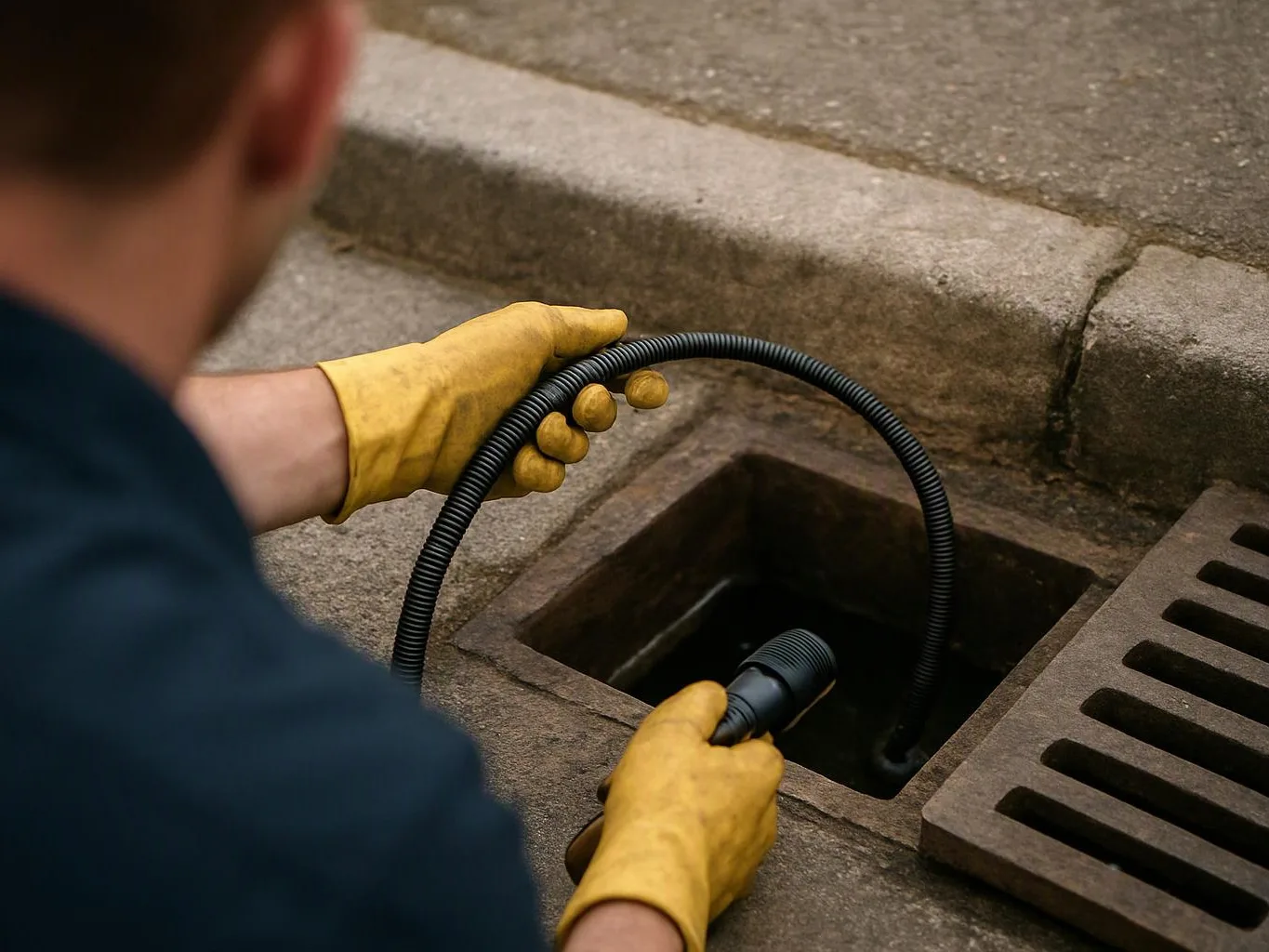
Frequently Asked Questions About Storm Drain Cleaning
How can heavy rainfall affect plumbing work in Algona?
Heavy rainfall can increase stormwater loading around low-lying developed properties, making blocked storm drains more likely and creating a need for
storm drain cleaning.
More about Storm Drain Cleaning