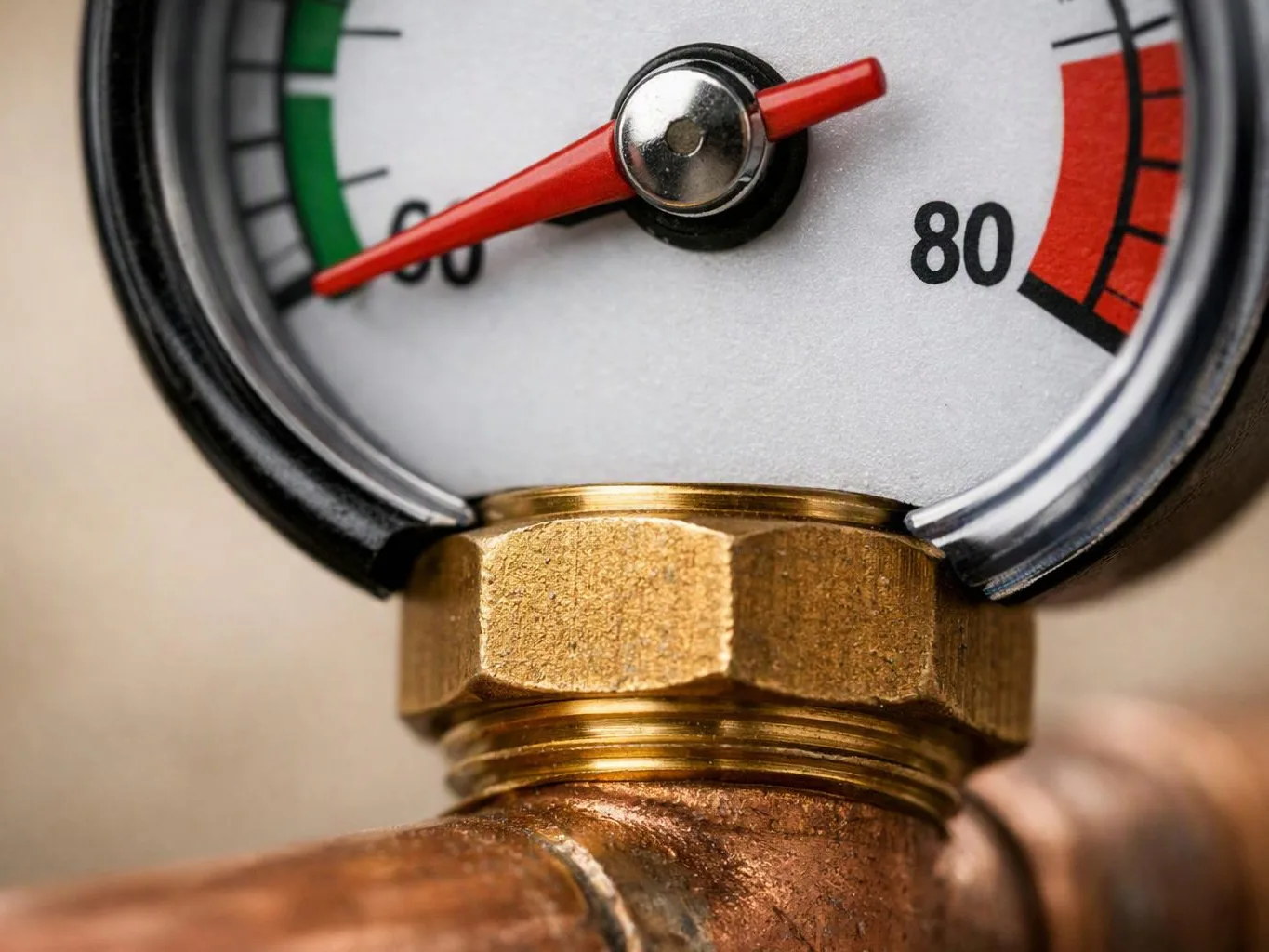
Tankless Water Heater Problems: Symptoms That Need Attention
Tankless water heater problems often appear as no hot water, repeated shutdowns, fluctuating temperature, unusual sounds, leaks, or error codes. At PlumbingMaplevalley.link, we check the unit, water flow, venting, controls, and connections to identify whether repair or replacement fits.
Request an EstimateWhat Symptoms Show a Tankless Water Heater Needs Attention?
Tankless water heater symptoms that need attention include no hot water, unstable temperature, repeated shutdowns, error codes, leaks, unusual sounds, and reduced flow.
Some symptoms point to simple flow restrictions, while others involve gas, electrical, or venting hazards. Our team can connect the symptom to the underlying water heater fault.
Why Does a Tankless Water Heater Keep Shutting Off?
A tankless water heater can keep shutting off when flow, fuel, power, venting, or safety controls do not work correctly.
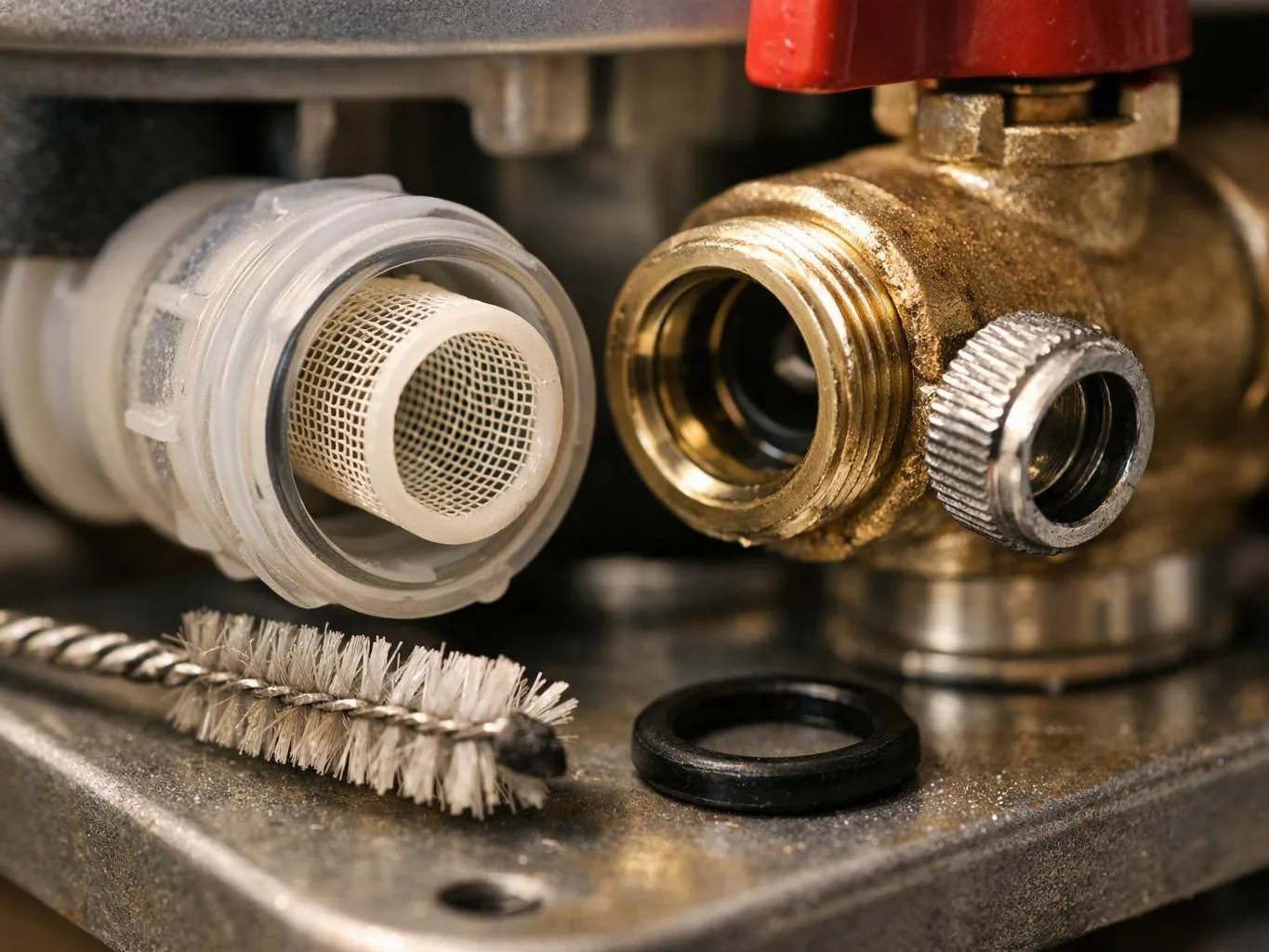
The water flow sensor must detect enough movement before heating starts. A clogged inlet filter, low supply pressure, or restricted fixture can interrupt that signal.
Gas units also need steady gas supply, correct gas pressure, and clear venting. Electric models depend on a stable electrical supply and working controls. Overheating protection may shut the unit down when scale blocks heat transfer or temperatures rise too far.
What Common Causes Create Tankless Water Heater Problems?
Common causes include mineral buildup, restricted flow, fuel or power problems, blocked venting, and failed sensors or controls.
Our team separates water-side problems from combustion and electrical faults. That approach helps us choose a repair that addresses the cause.
Why Is There No Hot Water From a Tankless Water Heater?
A tankless water heater may produce no hot water when it doesn't detect enough flow or when fuel, power, heating, or control parts fail.
The unit needs enough activation flow to start its heating cycle. A dirty inlet filter, closed valve, or weak supply can prevent that cycle.
Gas models may have burner or ignition failure. Electric models may have a failed heating element or electrical supply issue. A wrong temperature setting or active error code can also explain the problem.
Why Does Tankless Water Heater Temperature Fluctuate?
Tankless water heater temperature can fluctuate when flow changes, scale restricts heating, or sensors and mixing controls misread conditions.
Water flow changes when several fixtures run or when a faucet uses very little water. The temperature sensor must read those changes correctly so the control system can adjust heating.
A worn mixing valve can blend hot and cold water unevenly. Scale buildup inside the heat exchanger can also reduce heating performance and create hot or cool bursts.
What Do Tankless Water Heater Error Codes Mean?
A tankless water heater error code points to a diagnostic category, but the exact meaning depends on the manufacturer and model.
We use the model information and error history together. A code can identify a likely area, but testing still confirms the failed part.
| Diagnostic category | What it may involve | What our team checks |
|---|---|---|
| Ignition failure | Gas supply, ignition parts, or burner operation | Gas connection, ignition sequence, and combustion controls |
| Flame detection | Flame sensor or burner safety feedback | Sensor response and safe burner operation |
| Venting fault | Blocked, damaged, or incorrectly installed venting | Vent path, connections, clearances, and installation condition |
| Temperature sensor | Incorrect temperature readings or control response | Sensor readings, wiring, and control operation |
| Water flow | Low flow, filter blockage, or flow sensor trouble | Flow rate, inlet filter, valves, and activation behavior |
You can record the code and model information for our team. Don't keep resetting the unit when the code returns, especially if the unit shows a gas, venting, or overheating warning.
Which Tankless Water Heater Problems Need Prompt Repair?
Gas odors, burning smells, water leaks, unsafe temperatures, and repeated safety shutdowns need prompt attention.
Leave the area and contact the appropriate emergency service if you smell gas. Don't operate switches near a suspected gas leak, and don't use a unit that may create a carbon monoxide risk.
Water near electrical parts creates an electrical hazard. Scalding water, a growing leak, or repeated shutdowns also calls for PlumbingMaplevalley.link to assess the appliance before continued use.
How We Check a Tankless Water Heater Problem
Our diagnostic inspection follows the symptom, error history, water flow, and installation condition.
Our team explains which finding caused the symptom and what work addresses it. We also separate a repair decision from a replacement assessment when both options are reasonable.
When Does Repair Make More Sense Than Replacement?
Repair usually fits a sound unit with a clear, serviceable fault, while replacement may fit recurring failures, severe damage, or incompatible installation conditions.
We consider the unit condition, part availability, and history of recurring failure. We also review energy use and whether the current installation supports safe operation.
A repair quote should identify the diagnosis, parts, descaling or testing needs, and safety checks. A replacement assessment should explain installation requirements and why the new system fits the property.
How Can You Prevent Tankless Water Heater Problems?
You can reduce tankless water heater problems by following maintenance guidance, protecting water flow, keeping vents clear, and addressing small symptoms early.
Safe homeowner checks include noticing changes in hot water, watching for leaks, and keeping stored items away from vent openings. Gas, electrical, plumbing, and venting work should be handled by our team.
What Does Tankless Water Heater Repair Include?
Tankless water heater repair includes diagnosis, needed parts, descaling, flow testing, safety testing, and a repair quote.
Our team starts by confirming the fault instead of replacing parts based only on an error code. We then explain the repair scope and any condition that could affect reliable operation.
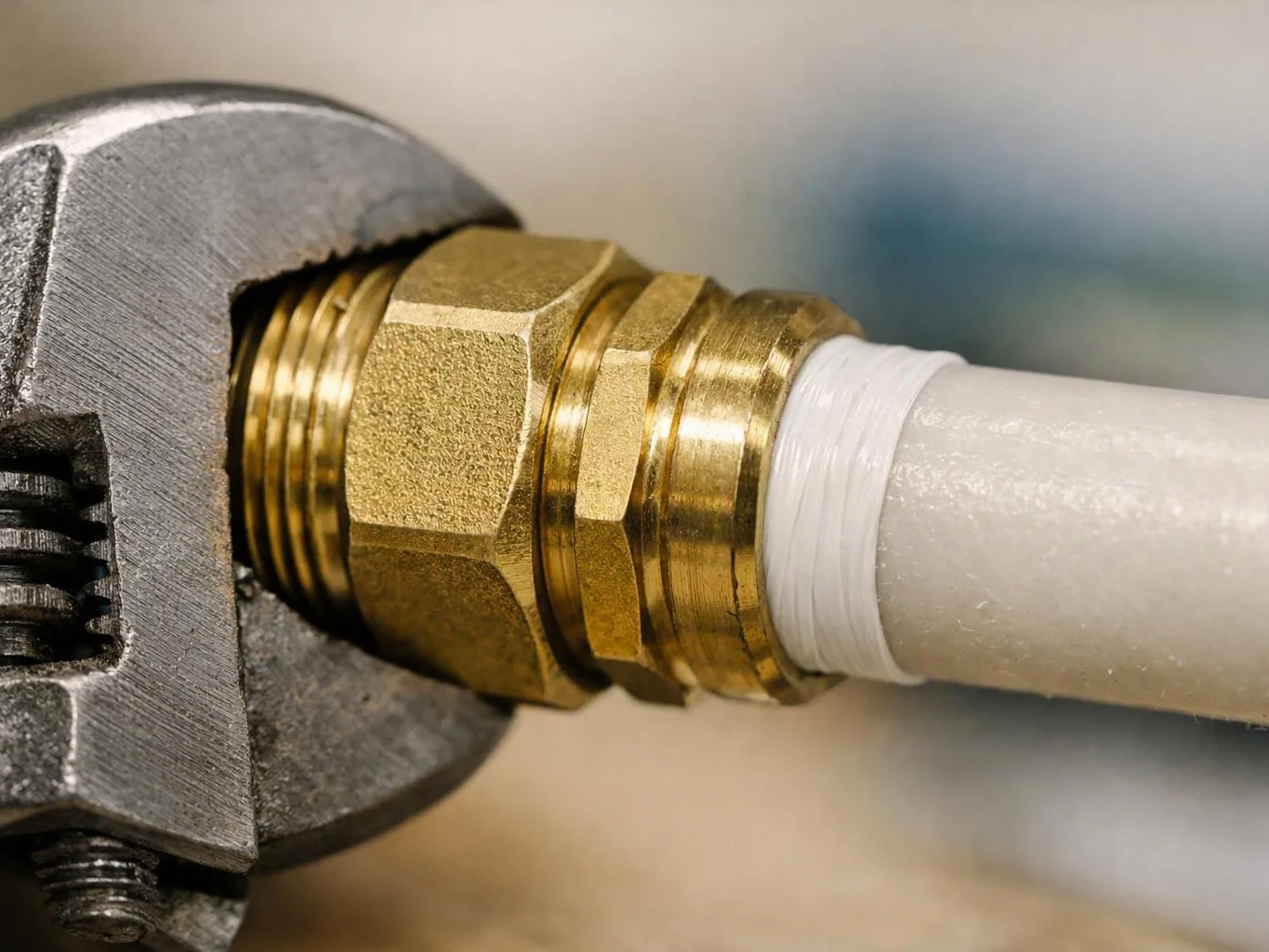
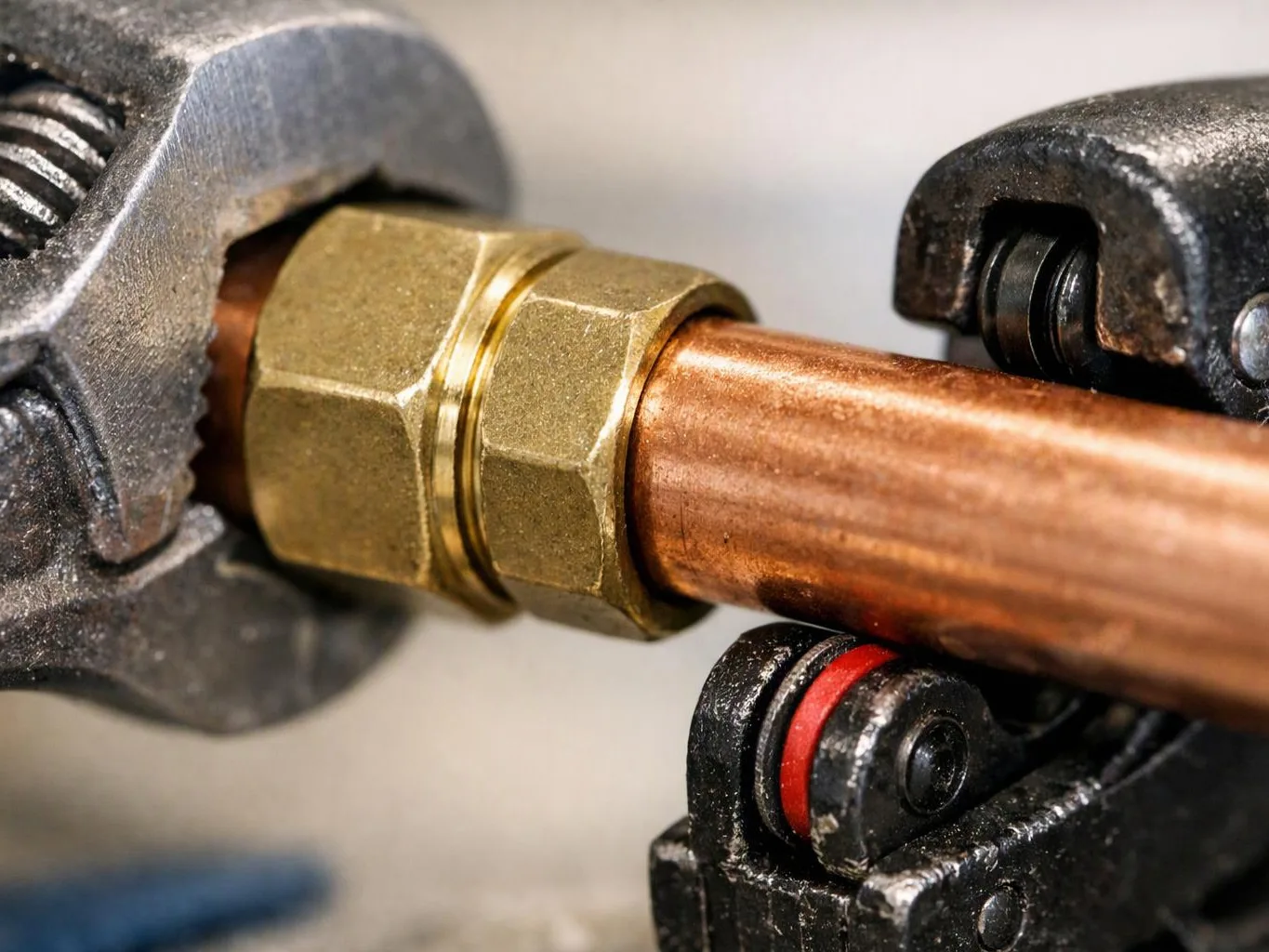
Work may include cleaning scale, servicing the inlet filter, correcting a connection, replacing a sensor, or addressing a control fault. Gas, electrical, plumbing, and venting repairs require careful testing after the work is complete.
For broader water heater needs, our water heater repair service can help connect the appliance problem with the right next step.
Get Help With a Tankless Water Heater Problem
PlumbingMaplevalley.link provides Tankless Water Heater Repair and tankless water heater installation assessments based on the unit's condition and installation needs.
Our team can schedule a diagnostic visit, explain the repair decision, and review whether replacement fits the property. The quote should make the recommended work, parts, testing, and installation requirements clear.
Questions About Tankless Water Heater Problems
Can low water pressure cause a tankless water heater to stop heating?
Yes, low water pressure can stop a tankless water heater when flow falls below its activation requirement. Our team checks supply flow, the inlet filter, valves, and the water flow sensor.
Can hard water damage a tankless water heater?
Yes, hard water can create mineral scale inside the heat exchanger and reduce heating performance. Descaling and suitable scale control can help protect the water heating system.
Should I reset a tankless water heater after an error code?
A tankless water heater can be reset only when the manufacturer guidance allows it and no safety warning exists. If the error code returns, our team should diagnose the cause instead of repeated resets.
Can a tankless water heater leak?
Yes, a tankless water heater can leak from connections, valves, the heat exchanger, or an installation fault. Shut off the water supply if safe and contact our team when the leak continues or reaches electrical parts.
When is a tankless water heater unsafe to use?
A tankless water heater is unsafe to use when it creates a gas odor, burning smell, water leak near electrical parts, scalding water, or repeated safety shutdowns. Stop using the unit and contact the appropriate emergency service or our team for a safe assessment.