Why a Toilet Keeps Clogging or Flushing Poorly
A toilet keeps clogging or flushing poorly when the trap, drain line, vent, or tank parts restrict water and waste movement. At PlumbingMaplevalley.link, we check the symptoms, isolate the cause, and explain the right toilet repair.
Request an EstimateWhat Does a Toilet That Keeps Clogging or Flushing Poorly Look Like?
A toilet with a recurring problem shows warning signs beyond one isolated clog, including weak flow, rising bowl water, or unusual sounds. These signs help us separate a fixture issue from a drain or vent problem.
Why Does a Toilet Keep Clogging?
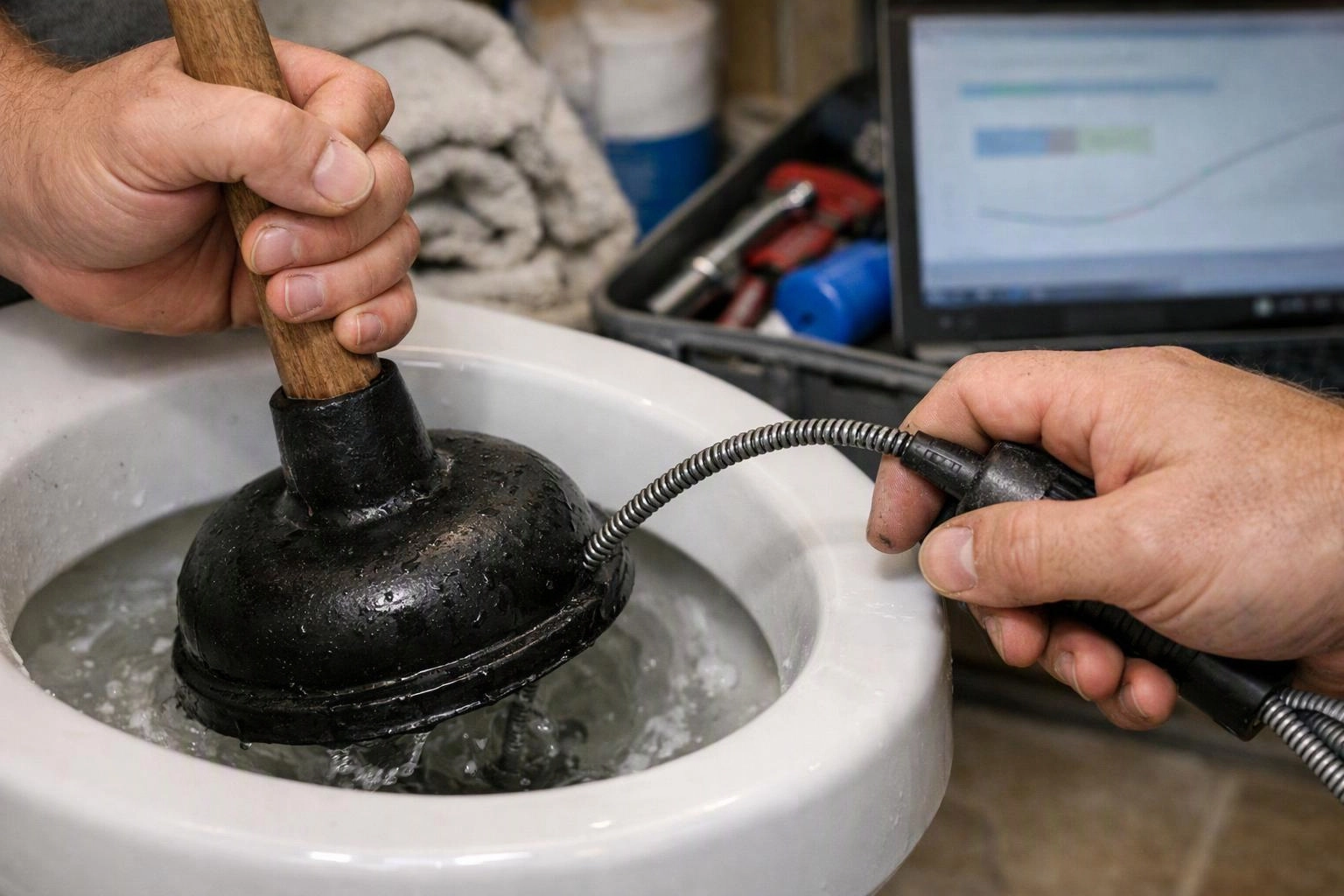
A toilet keeps clogging when the trap, drain, or sewer line cannot move waste and water freely. We look at the blockage location because repeated plunging may not remove a deeper restriction.
A toilet trap blockage usually affects one fixture first. A sewer line blockage may also cause problems in other drains, especially when wastewater backs up or fixtures make a gurgling sound.
Why Does a Toilet Flush Poorly?
A toilet flushes poorly when the tank lacks water, the flush valve opens incorrectly, or mineral buildup limits water flow. We inspect the tank and bowl parts before deciding whether the drain also needs attention.
The flush valve releases tank water into the bowl. A worn flapper valve may close too soon or leak, while a restricted fill valve may leave the water level too low.
Mineral buildup can narrow the rim jets or siphon jet. Those openings direct water through the bowl, so restricted flow can create a weak-flushing toilet even when the drain is clear.
Our team checks the toilet tank, water supply, valve movement, and bowl flow. We also compare the flush result with the drain behavior to locate the actual problem.
Why Does a Toilet Bubble When You Flush?
A toilet bubbles when trapped air moves through restricted drain or vent piping during a flush. The bubbling may come with a slow drain, a gurgling sound, or rising bowl water.
A drain blockage limits the path for water and air in the drain line. A blocked plumbing vent can also disturb air pressure, so the toilet may bubble when nearby fixtures discharge water.
We check whether the sound stays at one toilet or appears across several fixtures. That pattern helps us assess the drain line, vent, and possible sewer line blockage.
What Does a Slow-Filling Toilet Tank Mean?
A toilet tank refills slowly when the fill valve, supply line, or water supply restricts incoming water. A low tank water level can leave the next flush without enough force.
Sediment can limit the fill valve or collect in the supply path. A partly closed water supply valve can also reduce the incoming flow.
We check the fill valve, supply line, shutoff valve, and tank water level. We also look for leaks or valve behavior that causes the tank to refill continuously.
How Can You Prevent Repeated Toilet Clogs?
You can reduce repeat clogs by flushing only suitable waste, using reasonable paper amounts, and addressing slow drainage early. Good habits protect the toilet trap and connected drain pipe.
Drain care also means responding to a recurring blockage before it becomes an overflow. We can assess the toilet and connected plumbing when home habits do not solve the problem.
How We Check a Toilet That Keeps Clogging
We check the toilet, tank, drain behavior, and nearby plumbing to separate a fixture problem from a line problem. Our process follows the symptoms so the repair scope matches the cause.
Which Toilet Problems Need Toilet Repair?
Toilet repair is appropriate when clogs return, flushing stays weak, water backs up, or tank parts fail to work correctly. The table shows how common symptoms can point to different plumbing concerns.
| Problem | Possible concern | What we check |
|---|---|---|
| Recurring clog | Toilet trap or blocked drain | Bowl flow and drain behavior |
| Weak flush | Flush valve, flapper, or mineral buildup | Tank parts, water level, and bowl openings |
| Overflowing toilet | Severe blockage or failed tank control | Water movement and shutoff response |
| Sewer backup | Sewer line restriction | Multiple drains and waste line behavior |
| Broken flush valve | Tank part failure | Valve movement, seal, and tank refill |
We match the repair to the failed part or blocked section. A quote from our team reflects the access, replacement parts, drain work, and repair scope involved.
When Is a Toilet Problem a Plumbing Emergency?
A toilet problem needs prompt plumbing attention when wastewater overflows, reaches the floor, or affects multiple fixtures. These signs can indicate a larger drain or sewer line problem.
Stop repeated flushing when bowl water rises or wastewater backs up. Keep people away from contaminated water, protect nearby flooring, and contact our team for an assessment.
Water damage can spread beyond the bathroom if an overflowing toilet continues running. Multiple blocked drains also need prompt attention because the restriction may sit in a shared waste line.
How Do You Get the Right Toilet Repair Assessment?
The right assessment starts with the toilet symptoms, the repair history, and a check of the fixture and connected plumbing. Clear details help our team plan the inspection and explain the repair scope.
Tell us when the toilet keeps clogging, whether the bowl water rises, and whether other drains are affected. Note any bubbling, weak flush, slow drain, or tank refill change.
Our Toilet Repair service covers the fixture assessment and the related plumbing checks needed to identify the cause. We explain replacement parts, drain work, and the quote before proceeding.
Use our contact page to request an assessment for a recurring toilet problem.
Questions About Repeated Toilet Clogs and Weak Flushes
Can a clogged toilet unclog itself?
A clogged toilet may drain on its own when water slowly passes through a partial restriction, but the blockage can remain. Repeated clogs or rising bowl water need a toilet inspection and drain assessment.
Can a toilet clog because of the plumbing vent?
Yes, a blocked plumbing vent can disturb air pressure and make a toilet drain poorly or bubble. We check the vent when bubbling affects flushing or several fixtures show unusual drainage.
Why does the toilet water rise but then slowly drain?
Toilet water rises and then drains slowly when a partial blockage limits flow through the trap or drain line. We assess the bowl movement and connected drain before choosing the repair.
Should you keep flushing a toilet that is backing up?
No, you shouldn't keep flushing a toilet that is backing up because more water can cause an overflow. Stop flushing and contact our team when bowl water rises or wastewater appears.
Why does a toilet clog when other drains are used?
A toilet may clog when other drains are used because a shared drain line or sewer line has a restriction. We check multiple fixtures to determine whether the problem extends beyond the toilet.