Where should the discharge route be placed for a sump pump?
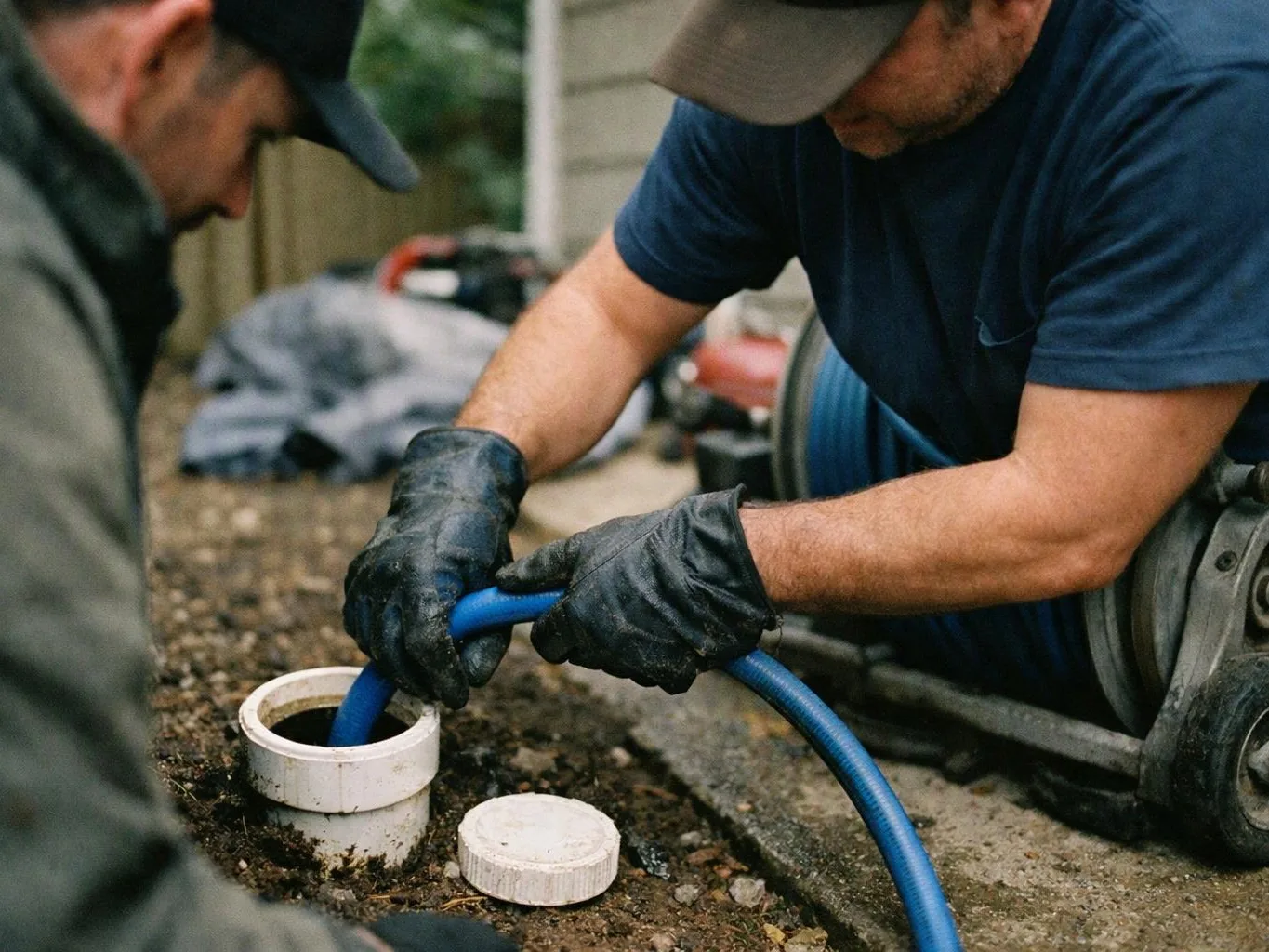
The discharge route should carry pumped water away from the building and away from the basin area. We check the outlet location, piping path, slope, and nearby surfaces before setting the connection. The correct route depends on the property layout and existing drainage. We explain the planned path in the estimate so you can review the scope before work starts.
What does the first inspection check before a sump pump is installed?
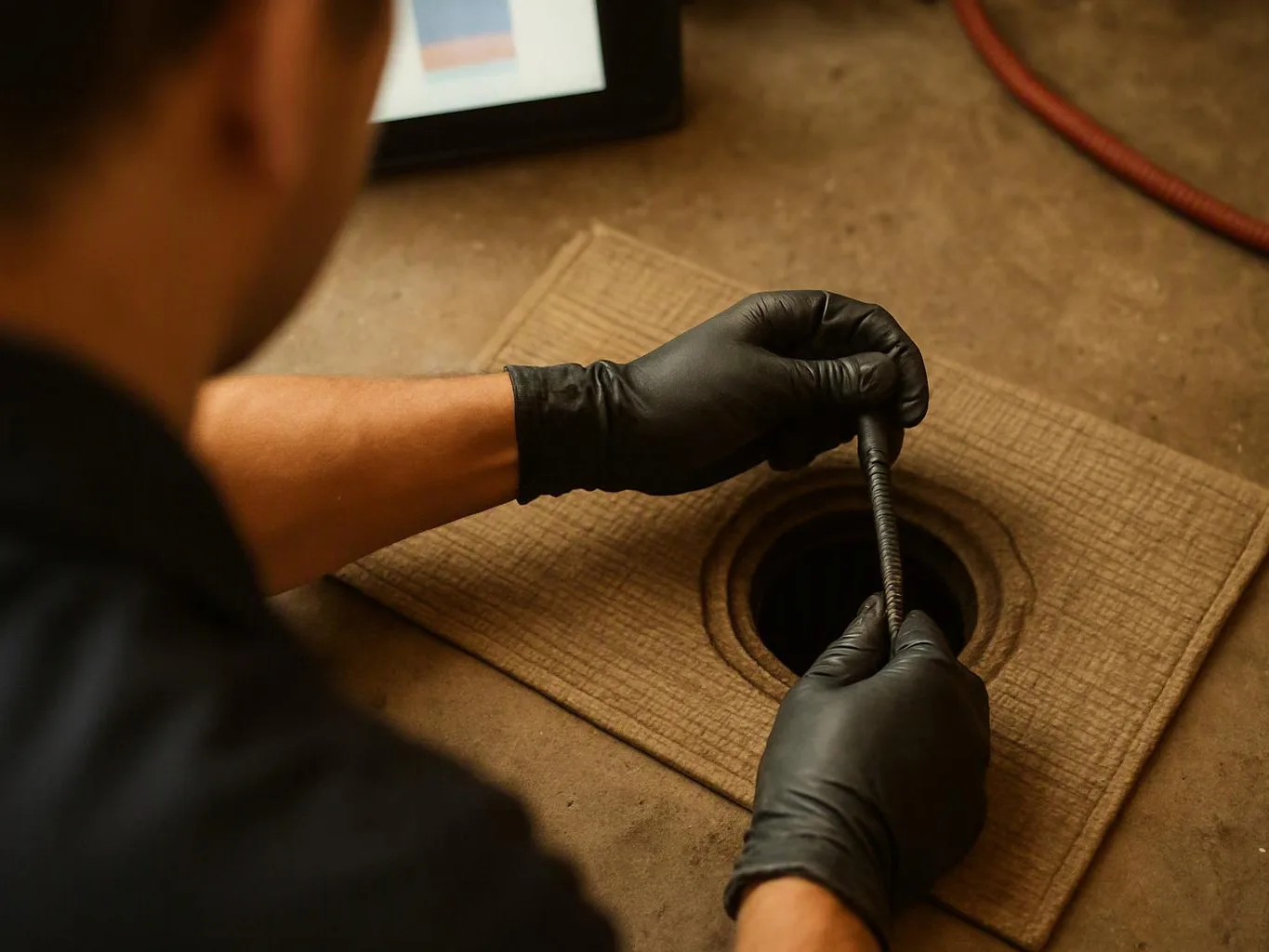
The first inspection checks the lowest floor, basin location, drain tile, water entry points, and access. We also look at the existing pump and discharge piping when those parts are present. These findings show whether the job needs a new basin, pump replacement, drainage work, or another plumbing service. Clear findings help keep the estimate tied to the actual problem.
How should I prepare the property before requesting an assessment?
Property preparation starts with clearing access to the lowest floor, basin, and existing pump. Take photos of standing water, the pump, visible piping, and any damaged surfaces. Keep stored items away from wet areas, and don't dismantle the pump before inspection. Those details help us understand access and drainage conditions before we set the work scope.
Which property problems need a different service?
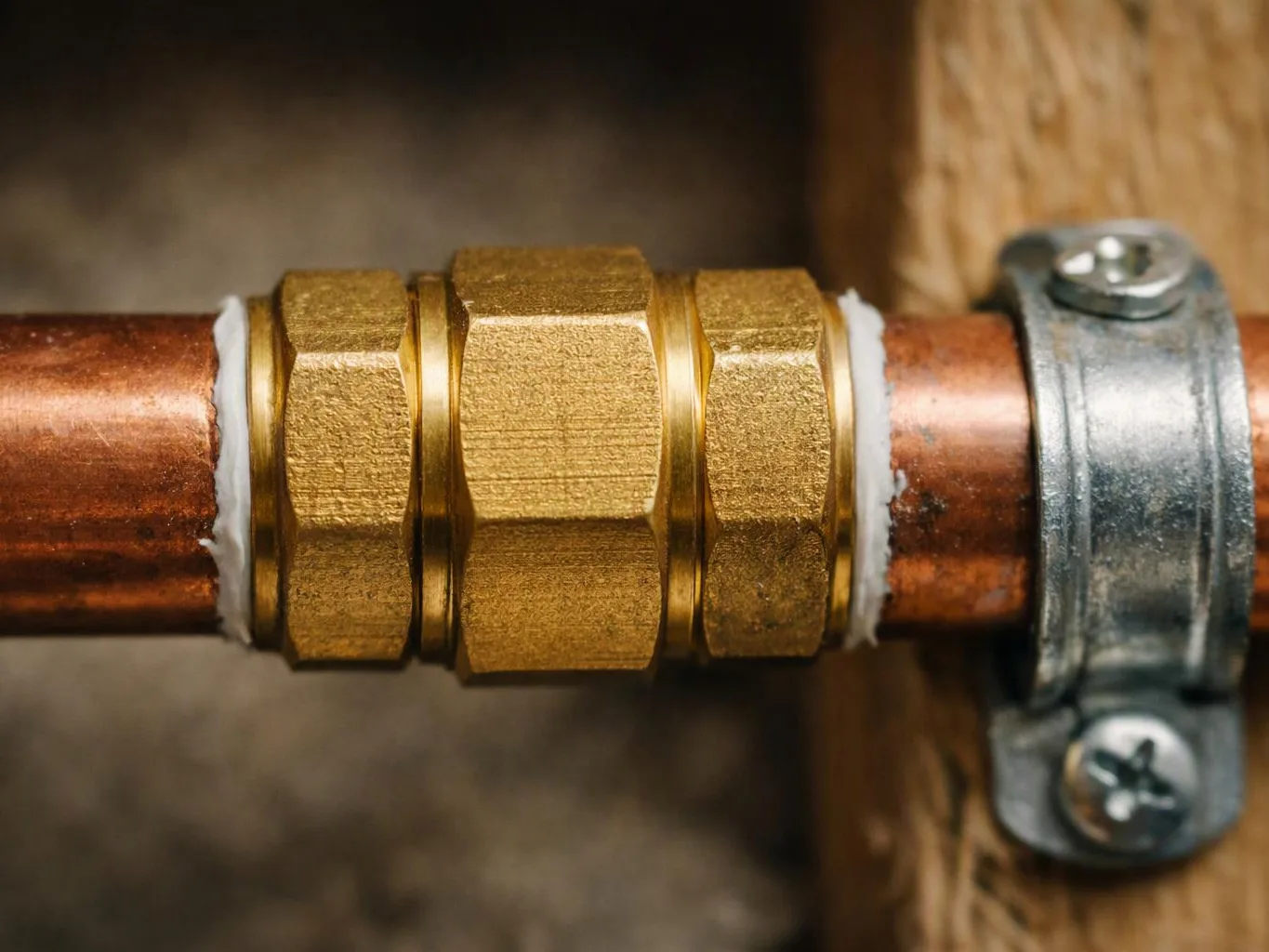
A blocked fixture drain, sewer backup, water supply leak, or gas issue needs a different plumbing service. Drain cleaning addresses clogs, sewer line work addresses damaged waste piping, and leak detection addresses hidden water supply leaks. Sump pump installation fits groundwater collection at the lowest floor. We separate these causes during the assessment.
Why does a sump pump cycle repeatedly after it starts?
Repeated cycling usually points to steady water entry, a restricted outlet, a poor check valve, or a pump that does not match the system. We inspect the basin, drain tile, pump, and discharge piping together. In Federal Way, property owners should report the symptom and protect the lowest floor while the cause is checked. A replacement pump alone may not solve a drainage restriction.
What changes the estimate for this installation?
Access, basin condition, drain tile connections, pump placement, and discharge piping change the estimate. A finished lowest floor may need more careful access than an open utility area. Existing plumbing also affects the work scope. We review the property and explain the required parts and labor before work begins, so the estimate reflects the installation rather than a generic allowance.