What types of leaks can water leak repair address?
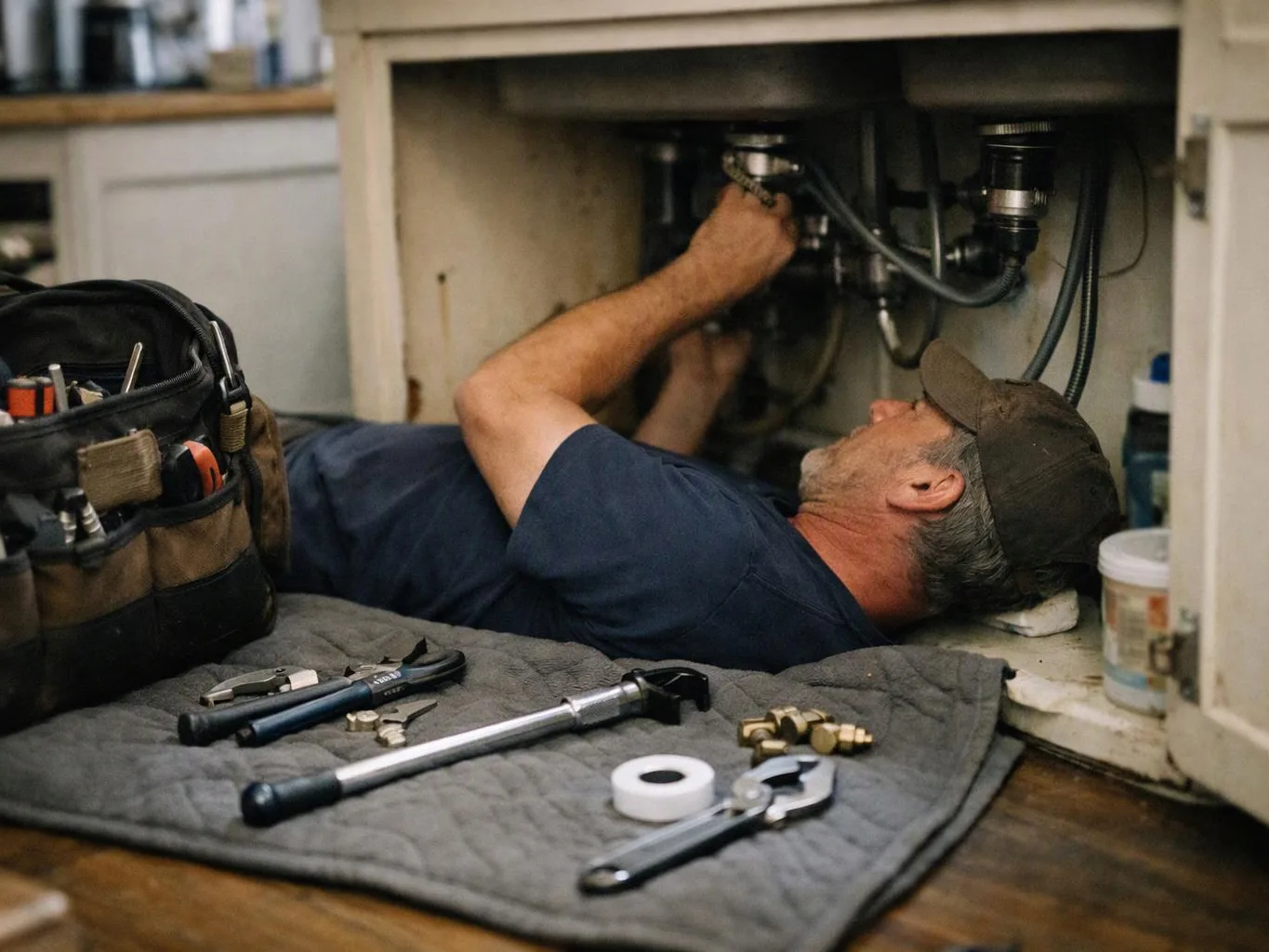
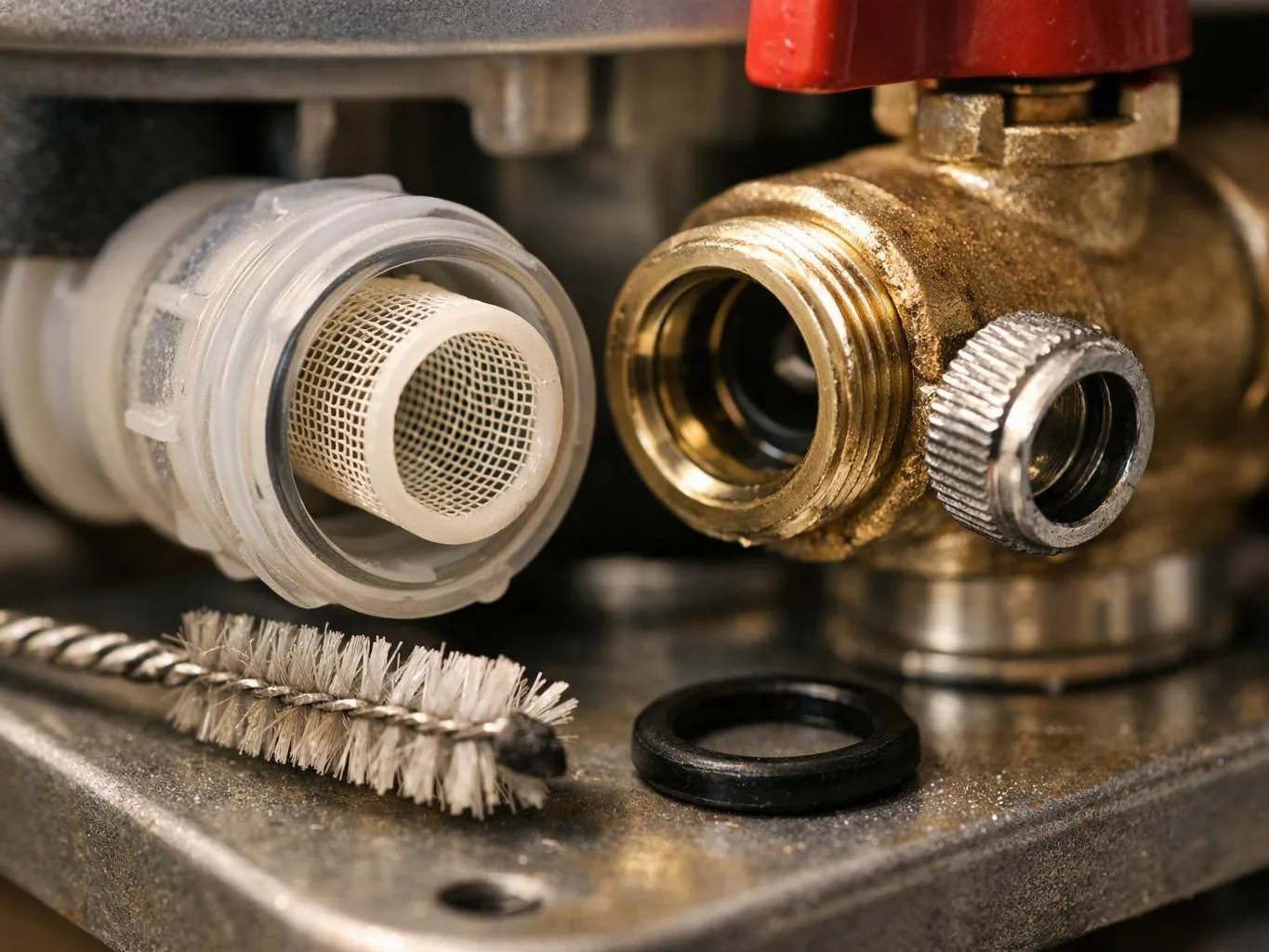
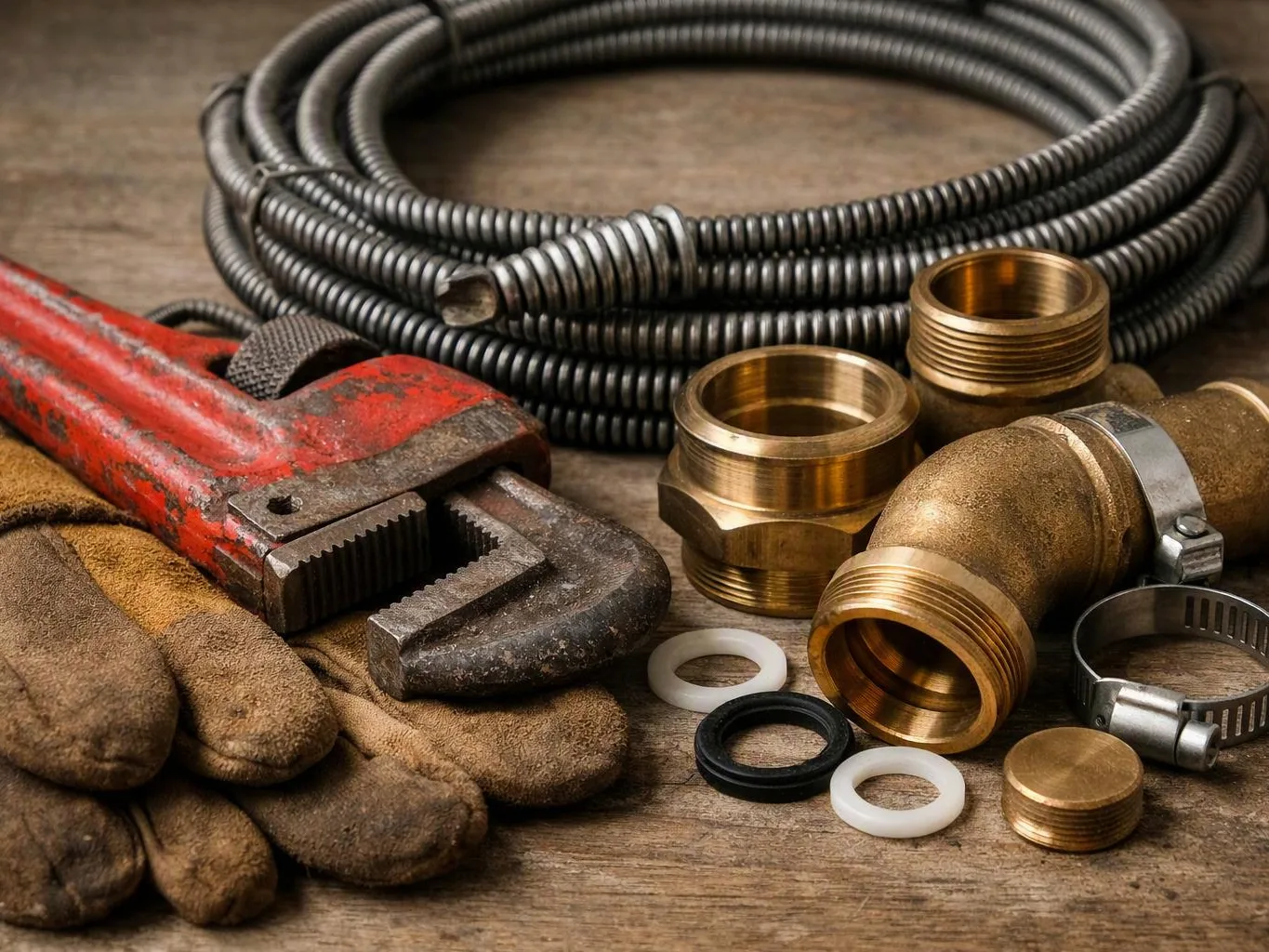
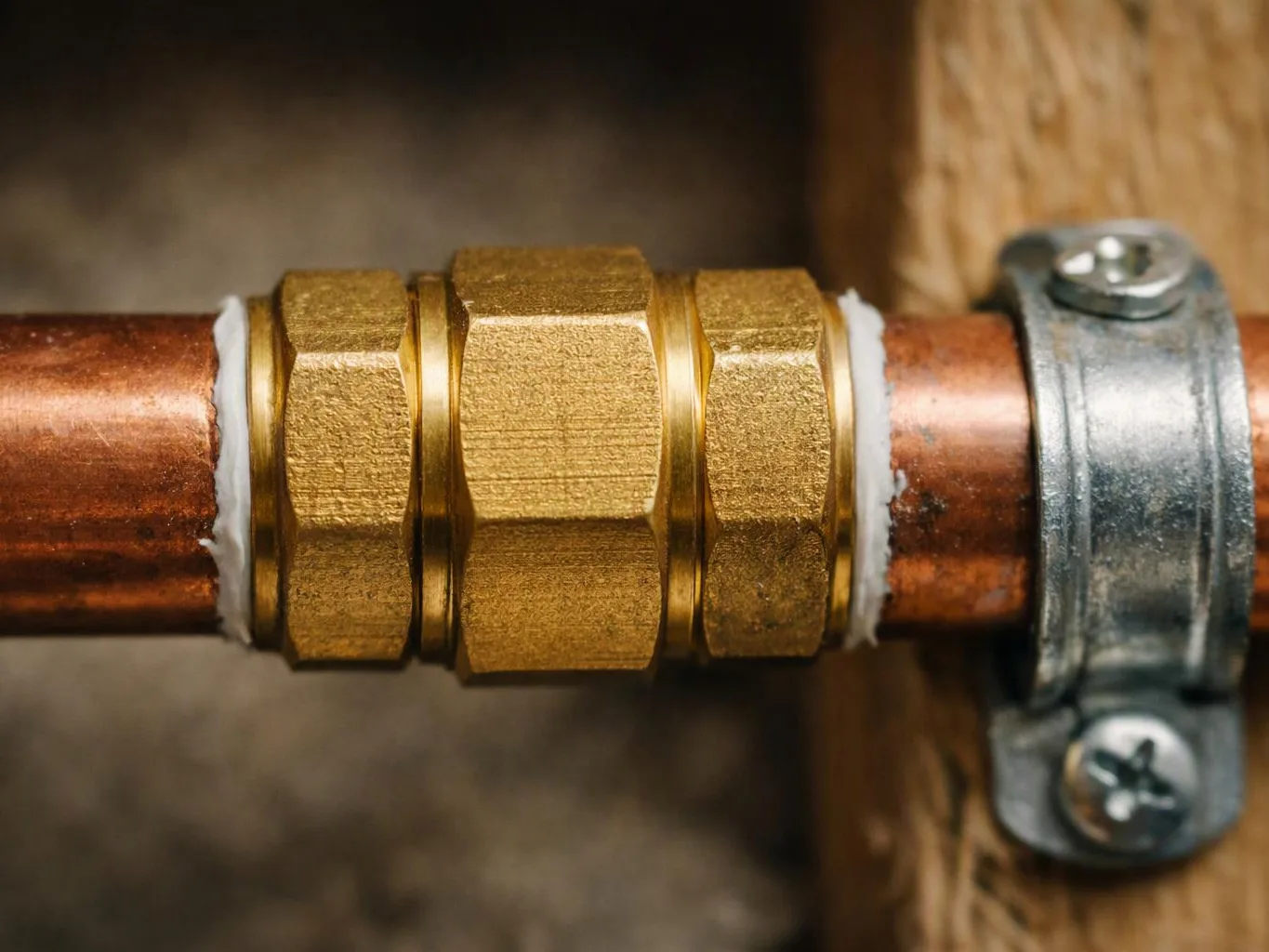
Joint failures, pipe cracks, loose fittings, and valve leaks are the main leak types this service addresses. We also inspect related fixtures, supply lines, and P-traps when they sit near the reported water. The repair may involve tightening, replacing, or repairing the failed part. Damage to drywall, flooring, or cabinets needs separate building-material work after the plumbing source is handled.
How does a leak repair visit move from the first call to the repair?
The visit moves from symptom review to source checks, repair scope, and a final plumbing check. We ask where water appears and whether pressure has changed. Then we inspect accessible parts and explain any needed access. You receive a clear estimate before work begins, and the repair follows the identified fault.
Which part of a property can change the repair scope?
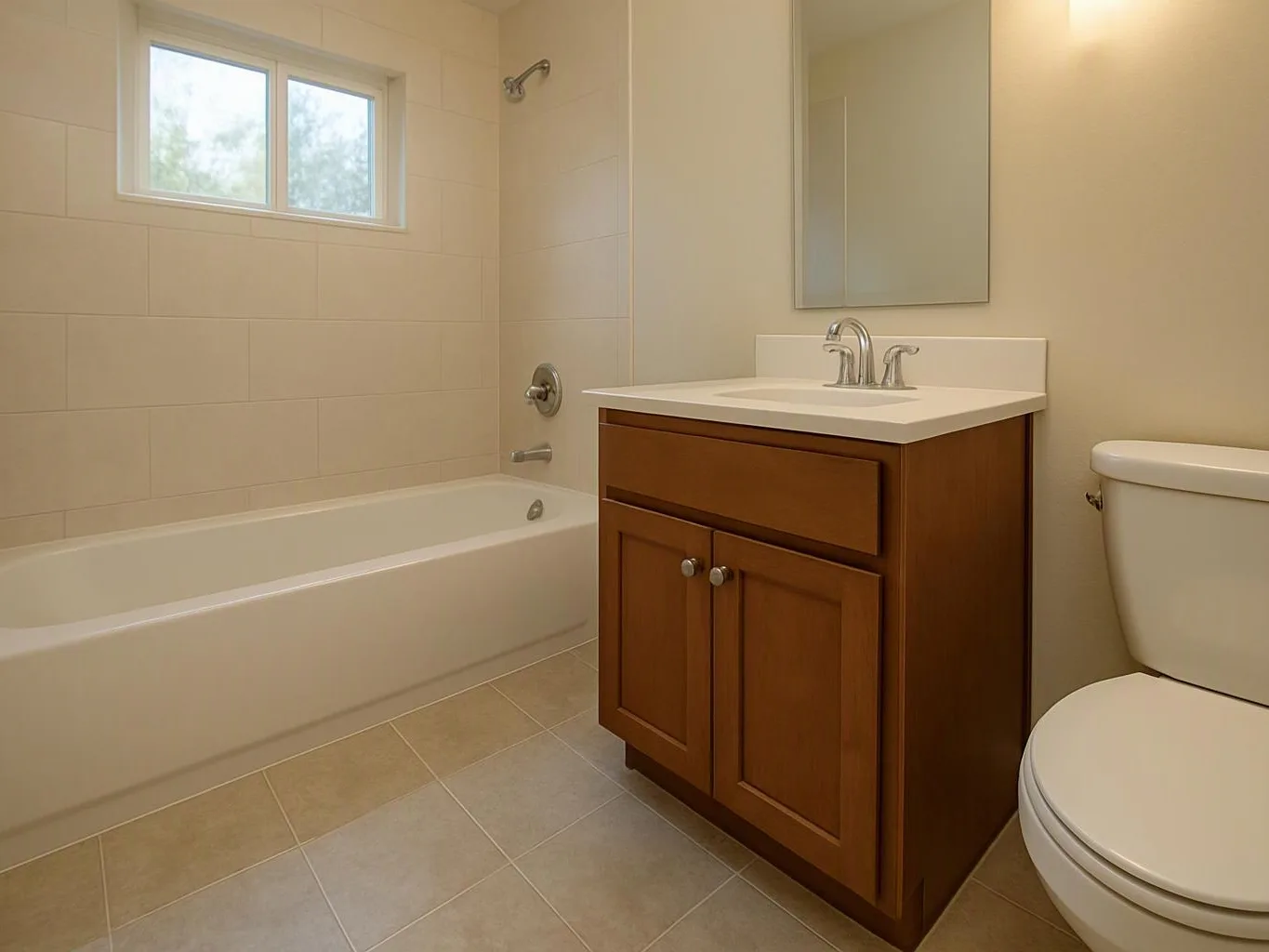
The plumbing location changes the repair scope because exposed connections and concealed pipes require different access. Cabinets, finished walls, ceilings, crawl spaces, and utility areas can affect how the source is reached. The failed part matters too. A valve leak may need a valve replacement, while a cracked pipe may require a pipe section repair.
When does a dripping faucet need prompt attention?
A dripping faucet needs prompt attention when water reaches a cabinet, wall, floor, or electrical area. Continued dripping can also point to a worn cartridge, valve seat, seal, or supply connection. Limit use if the leak is active, and place a container under the drip. We can inspect the faucet and nearby plumbing to set the right repair scope.
Why can a leak appear far from its source?
Water can travel along pipe surfaces, framing, cabinet bases, and ceiling materials before it becomes visible. A ceiling stain or wet cabinet therefore does not always mark the failed part. We follow the water path and inspect nearby connections. Avoid opening finished surfaces until the plumbing source and access needs are explained.
What information helps you assess a leak before scheduling?
The leak location, affected fixture, visible water path, and recent changes help set an initial assessment. Photos of exposed plumbing can also show fittings, valves, and pipe material. Note whether the leak stops when a fixture is closed. Keep the area accessible, but don't remove walls, ceilings, or cabinets before the source is checked.
How do I decide if a leak needs repair or another service?
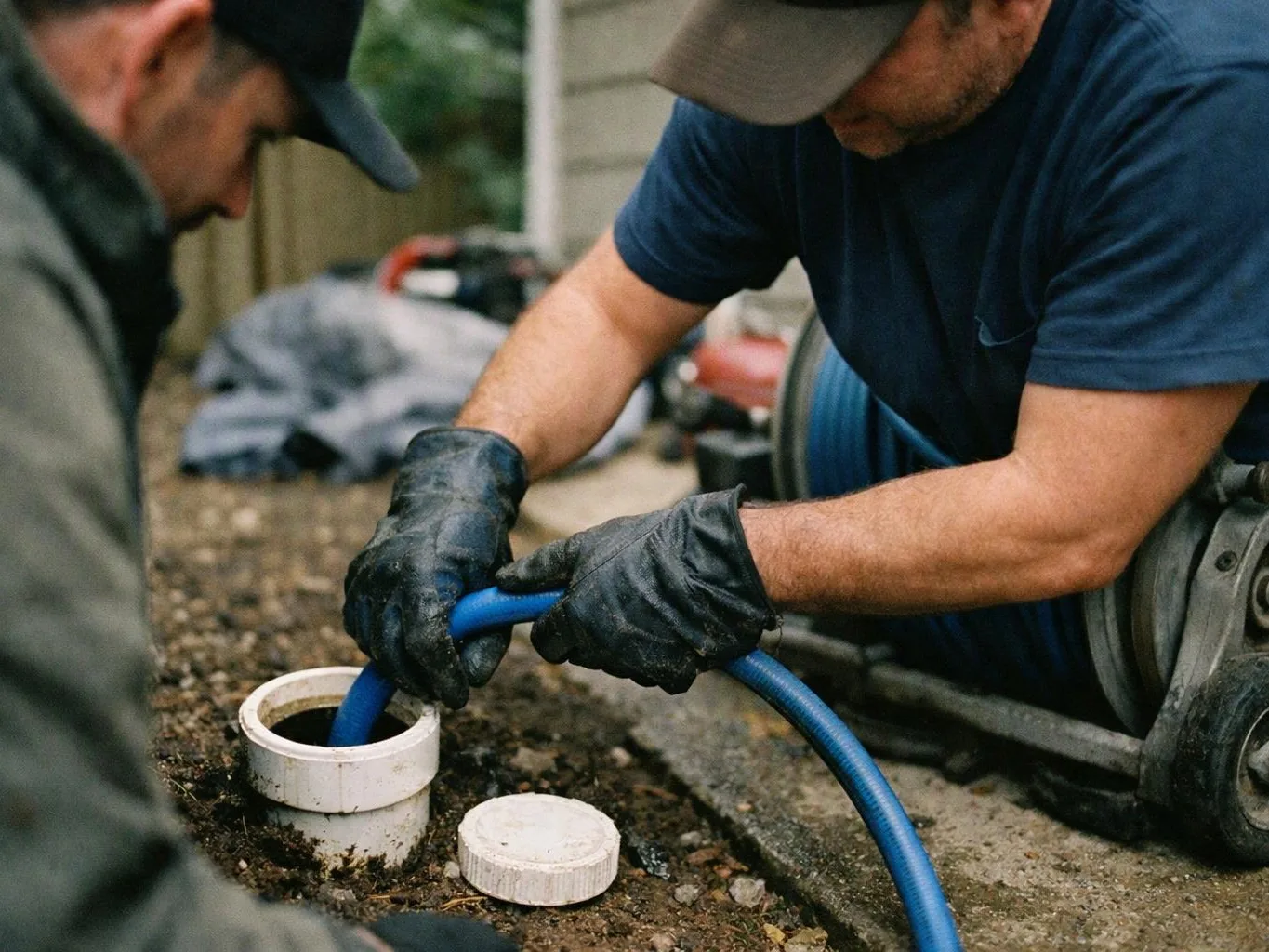
A plumbing leak needs water leak repair when a pipe, fitting, fixture, or valve releases unwanted water. A blocked drain needs drain cleaning, while damaged drywall or flooring needs restoration after the leak is stopped. Sewer odors, sewage backups, and main line problems call for sewer-focused plumbing work. The active symptom and source guide the service choice.