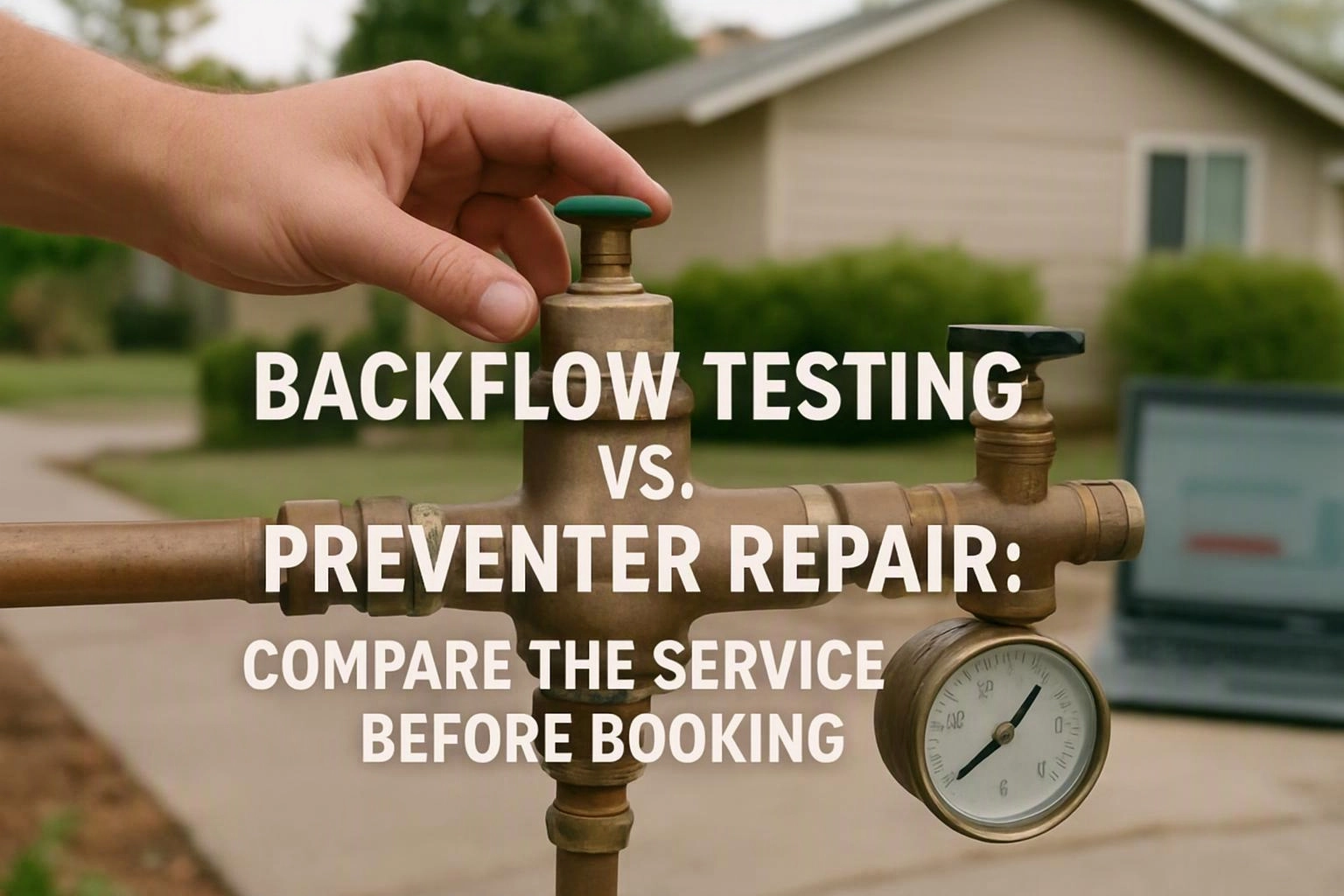
Backflow Testing vs. Backflow Preventer Repair: Compare the Service Before Booking
Backflow testing verifies whether a backflow preventer meets its required performance criteria, while repair corrects damage or failure. PlumbingMaplevalley.link can assess the device, explain the findings, and prepare the right service quote. The choice depends on whether you need proof of performance or corrective work after a fault.
Request an EstimateOptions at a Glance
- Backflow testing fits routine verification, compliance documentation, and performance checks.
- Backflow preventer repair fits failed tests, leaks, corrosion, and damaged components.
Backflow Testing and Repair Solve Different Problems
Backflow testing measures whether a backflow preventer works correctly, while repair restores a device that fails, leaks, or has damaged parts.
A backflow preventer protects the water supply from contamination caused by a cross-connection. Testing checks performance, while repair addresses the cause of a failed result or visible problem.
Our team can begin with the appropriate Backflow Testing service when the device needs verification. We explain the findings before recommending any separate corrective work.
How Backflow Testing Compares With Preventer Repair
Backflow testing is the better fit when performance must be verified, while repair is the better fit when testing or inspection reveals a fault.
| Factor | Backflow testing | Backflow preventer repair | Booking note |
|---|---|---|---|
| Service purpose | Verifies operating performance | Corrects damage or failure | Choose based on the known problem |
| Service cost | Depends on test scope and documentation | Depends on parts, labor, and repair scope | Request a quote after assessment |
| Service timeline | Usually more limited in scope | Can involve diagnosis, parts, and retesting | Device condition affects the work |
| Maintenance | Supports planned maintenance | Addresses component failure | Retesting may follow repairs |
| Best use case | Proof that protection works | A failed or damaged assembly | Use test findings to guide repair |
What Backflow Testing Includes
Backflow testing checks the preventer's operating performance and records whether the assembly passes the applicable testing criteria.
Our team examines the backflow prevention assembly, test ports, check valves, and shutoff valves. We take pressure readings and compare the results with the relevant inspection criteria.
The test report records the findings and supports compliance verification. Testing can cover reduced pressure assembly testing or double check assembly testing when those assemblies are present.
Why Choose Backflow Testing?
Backflow testing gives you documented evidence about water supply protection and device performance.
Backflow testing is best for routine verification and documented performance checks.
What Backflow Preventer Repair Includes
Backflow preventer repair restores a device after a failed test, visible leak, damaged component, or operating problem.
Our team identifies the failed part and explains the repair scope. Possible work may involve replacement parts, check valve replacement, relief valve repair, or diaphragm service.
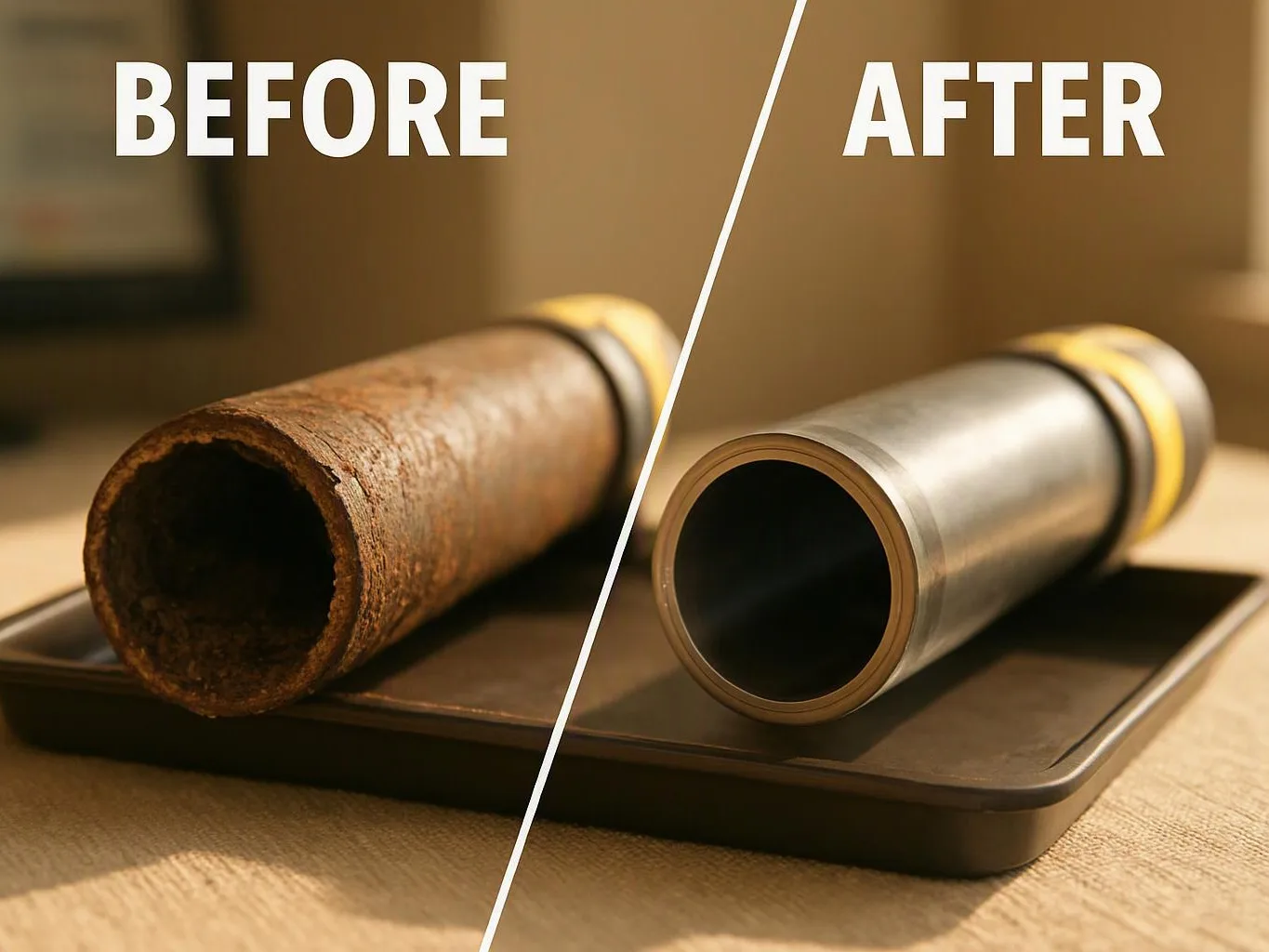
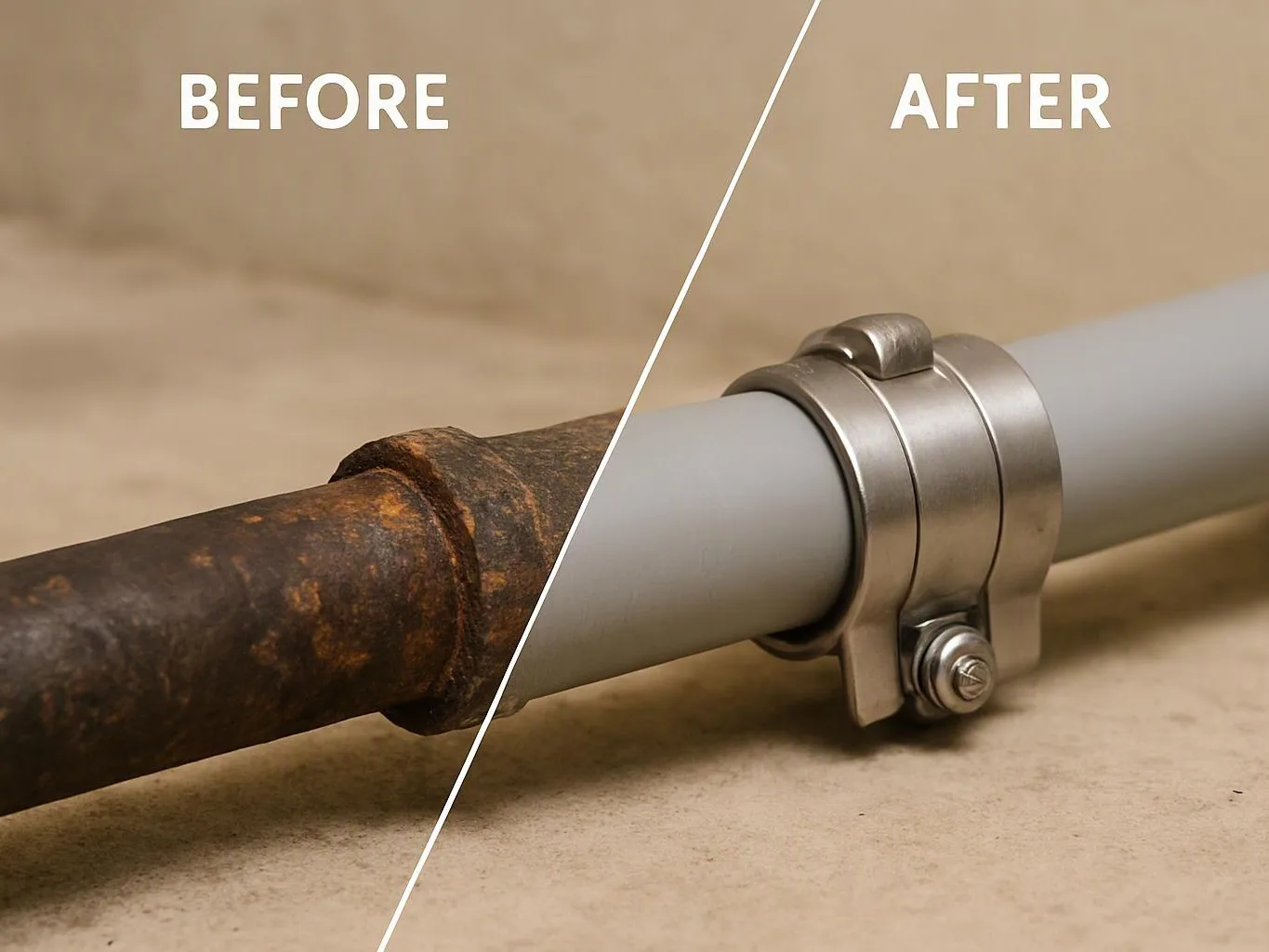
A leaking assembly may also need attention to its body, spring, shutoff valve, or other components. Corrosion can affect whether repair is practical, so we explain the replacement decision when needed.
Why Choose Backflow Preventer Repair?
Backflow preventer repair is the right service when a known fault prevents the assembly from protecting the water supply.
Backflow preventer repair is best for a device with a confirmed performance or condition problem.
Does Backflow Testing Include Repairs?
No, backflow testing doesn't automatically include repair because testing and corrective work are separate service scopes.
A backflow test result may show that the assembly passes, fails, or needs further review. If the device fails, our team can explain the repair estimate and identify the replacement parts that may be needed.
After repair, retesting may be needed to confirm the assembly performs correctly. The quote should state whether testing, repair, retesting, and documentation are included.
When Should You Request a Separate Repair Estimate?
Request a separate repair estimate when inspection or testing shows a condition that needs corrective work.
Our team uses the condition of the device to define the repair scope. We explain whether replacement parts or full replacement better support reliable water supply protection.
What Should a Backflow Service Quote Include?
A backflow service quote should identify the device, explain the requested testing or repair, list included work, and separate any recommended corrective work.
Our quote process considers the service diagnosis and backflow preventer model. It should also state the test scope, repair scope, replacement parts, labor, retesting, and documentation.
Clear scope helps you understand what happens after a failed test. It also prevents a recommended repair from being confused with the original testing service.
How We Decide Which Service to Book
Our team decides between testing and repair by reviewing the customer concern, device condition, and available test findings.
Professional testing and repair should follow applicable code requirements and inspection criteria. Regulated backflow work should be handled by our qualified plumbing team, not through unsafe do-it-yourself adjustments.
Which Service Fits Your Situation?
Book backflow testing when you need proof of performance, and request repair when the preventer shows a fault or fails testing.
Routine testing fits planned maintenance and documentation needs. A failed test, water discharge, or leaking backflow preventer points toward an inspection and repair estimate.
Our team can review the service scope, explain the findings, and outline the next step. We use the test result and device condition to support a clear booking decision.
Questions About Backflow Testing and Repair
Can a backflow preventer fail testing without leaking?
Yes, a backflow preventer can fail testing without visible leakage because internal parts may not hold or release pressure correctly. Our team uses pressure readings and inspection criteria to identify performance problems that a visual check may not show.
Should a backflow preventer be repaired or replaced after a failed test?
A backflow preventer should be repaired when suitable parts can restore safe performance, but replacement may fit when the housing or assembly has extensive damage. Our team reviews corrosion, component failure, condition, and repair scope before recommending the next step.
What information should I provide when requesting backflow service?
Provide the device location, backflow preventer model, reason for service, recent test report, visible leakage details, and any known failed test result. Our team uses that information to prepare a clearer service scope and repair estimate.
Share the device details and test findings so our team can prepare the appropriate service quote.
Request backflow service