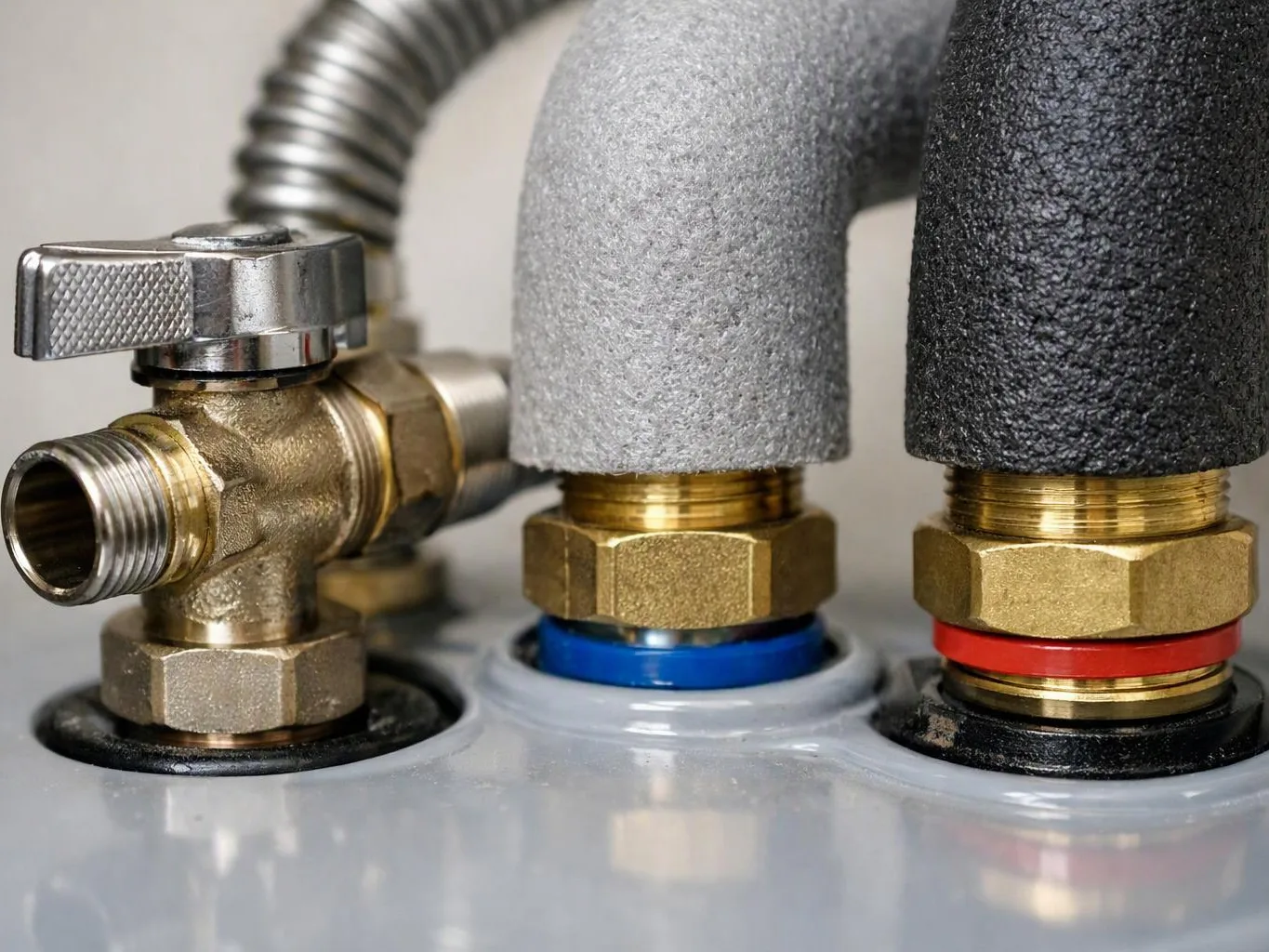
When Recurring Plumbing Symptoms May Point to Repiping
Recurring plumbing symptoms may point to repiping when leaks, rust-colored water, low pressure, and pipe damage affect multiple fixtures. PlumbingMaplevalley.link checks the pipe material, condition, and pattern of problems before recommending whole-house repiping.
Request an EstimateWhich Plumbing Symptoms Can Signal a Need for Repiping?
Recurring leaks, rusty water, widespread low pressure, and visible corrosion can signal that the home’s supply pipes are failing. A pattern across several fixtures matters more than one isolated plumbing problem.
These are common signs a house needs repiping when they continue after localized repairs:
Whole-house repiping replaces affected supply lines across the home. Our team connects the replacement pipes to the existing fixtures and water heater connections.
Can Rusty Water Mean Your Pipes Are Corroding?
Yes, rusty water can mean that iron-based pipes are corroding, but sediment from the water heater or utility system can cause similar discoloration.
Galvanized steel pipes can release rust as their protective coating wears down. Copper pipes can also develop corrosion, especially near joints or areas affected by water chemistry.
Sediment inside a water heater may affect hot water only. Discoloration from the broader water supply can affect multiple faucets. We compare the color pattern, affected fixtures, and pipe material during a plumbing inspection.
Can Old Pipes Cause Low Water Pressure Throughout a House?
Yes, old pipes can reduce water pressure throughout a house when corrosion or mineral buildup narrows the water passage.
Corroded pipes can restrict flow inside the pipe walls. Mineral buildup can create a similar blockage in older supply lines.
Low pressure at one fixture may involve that fixture, valve, or branch line. Low water pressure throughout the house points to a wider issue in the water distribution system. Our team checks pressure changes and fixture performance before suggesting pipe replacement.
When Do Repeated Leaks Suggest Repiping?
Repeated leaks suggest repiping when failures occur in several areas or return after repairs.
We review the pipe material, leak locations, and repair history. Multiple leaks across supply lines can show that the system has reached a broader failure pattern.
Hidden water damage also matters because a small visible leak may not show the full problem. A repiping evaluation helps separate one repairable defect from system-wide pipe failure.
What We Check Before Recommending Whole-House Repiping
We check the pipe material, visible condition, leak pattern, pressure changes, and fixture performance before recommending repiping.
Our plumbing inspection starts at accessible pipes, shutoff valves, and fixture connections. We look for corrosion, damaged joints, staining, and signs of water damage.
We also consider access points and the way supply lines run through the home. These details help us decide whether a localized repair or Whole-House Repiping addresses the problem more effectively.
Our team explains the findings before preparing a written quote. The recommendation should match the condition and pattern of failure.
What You Can Check Yourself and What We Do
You can safely record visible symptoms, while our team checks the plumbing system and completes repiping work. Your notes help us understand when the problem occurs and which fixtures are affected.
Do not open walls or disturb damaged pipes to investigate. Plumbing inspection and pipe replacement may require licensed work, code checks, and inspections.
| Factor | What you can do yourself | What we do |
|---|---|---|
| Visible leaks | Record the location and note when it appears. | Trace the leak pattern and check nearby pipe joints. |
| Water discoloration | Note whether hot, cold, or several fixtures are affected. | Assess corrosion, sediment sources, and pipe material. |
| Fixture pressure | Compare affected fixtures without removing parts. | Evaluate pressure changes through the supply lines. |
| Shutoff valves | Make sure the valves are easy to identify. | Check valve condition and plan safe access for pipe work. |
| Pipe replacement | Avoid opening walls or cutting into pipes. | Complete the approved replacement and coordinate required inspections. |
How We Decide Whether Repiping Is the Right Solution
We recommend whole-house repiping when the pipe failure pattern shows that isolated repairs won't address the wider system problem.
Localized plumbing repair may fit a single, stable defect. Whole-house pipe replacement may better support long-term plumbing reliability when leaks, corrosion, or pressure loss affect several areas.
Our team explains the recommended scope, access needs, fixture connections, and replacement method. We then prepare a repiping quote based on the observed conditions.
What Changes the Cost of a Whole-House Repiping Project?
The cost of whole-house repiping depends on pipe material, home layout, fixture connections, access, and the repair of opened surfaces.
Pipe material affects the replacement method and connection work. The number of fixtures and the layout of supply lines also change the project scope.
Walls and ceilings may need different levels of access. Permit and inspection requirements can also affect planning and completion work.
We review these factors during the inspection and explain what the written quote includes. Contact us through our contact page to request an exact quote for the property.
Questions About Recurring Plumbing Symptoms
Can one leaking pipe mean a house needs repiping?
One leaking pipe doesn't automatically mean a house needs repiping. The pipe material, leak cause, repair history, and condition of nearby lines determine whether the problem is isolated.
Is rusty water from every faucet a reason to replace the pipes?
Rusty water from every faucet can support a repiping evaluation, but it doesn't prove that replacement is needed. Sediment from the water heater or utility system can create similar discoloration.
What should I record before requesting a repiping assessment?
Record the affected fixtures, leak locations, water color, pressure changes, and whether hot or cold water is involved. Photos of visible damage and notes about past repairs can also help our team evaluate the pattern.
Share your plumbing symptoms and our team can explain the next inspection step.