Whole-House Repiping vs. Spot Repair: Which Project Should You Hire For?
Whole-house repiping fits widespread or recurring pipe problems, while spot repair fits a confirmed, isolated failure. PlumbingMaplevalley.link can inspect the plumbing system, locate the leak, and explain which project matches the condition.
Request an EstimateWhole-House Repiping vs. Spot Repair at a Glance
The better project depends on whether the plumbing problem is isolated or signals broader pipe deterioration. Our team reviews the pipe condition, repair history, and access before recommending water leak repair or pipe replacement.
- Whole-house repiping fits widespread deterioration, recurring leaks, or failing water supply lines.
- Spot repair fits one confirmed failure with sound surrounding plumbing.
| Factor | Whole-House Repiping | Spot Repair | Best Fit |
|---|---|---|---|
| Cost drivers | More extensive scope, access work, and affected lines | Smaller repair area and fewer affected components | Depends on pipe condition and access |
| Timeline | Broader project with more planning and restoration | Focused work when the failure is accessible | Access and repair scope control the schedule |
| Maintenance | Can reduce maintenance needs across replaced lines | Keeps existing plumbing in service | Depends on nearby pipe condition |
| Best for | Recurring leaks and widespread pipe deterioration | One isolated leak or damaged pipe section | The option matching inspection findings |
Our crew can explain the trade-offs in a written repair estimate. We also outline what the water leak repair includes and which conditions could change the repair scope.
What Does Whole-House Repiping Involve?
Whole-house repiping replaces failing water supply lines across the home. The work may address corrosion, recurring leaks, poor water pressure, or pipe material that no longer performs well.
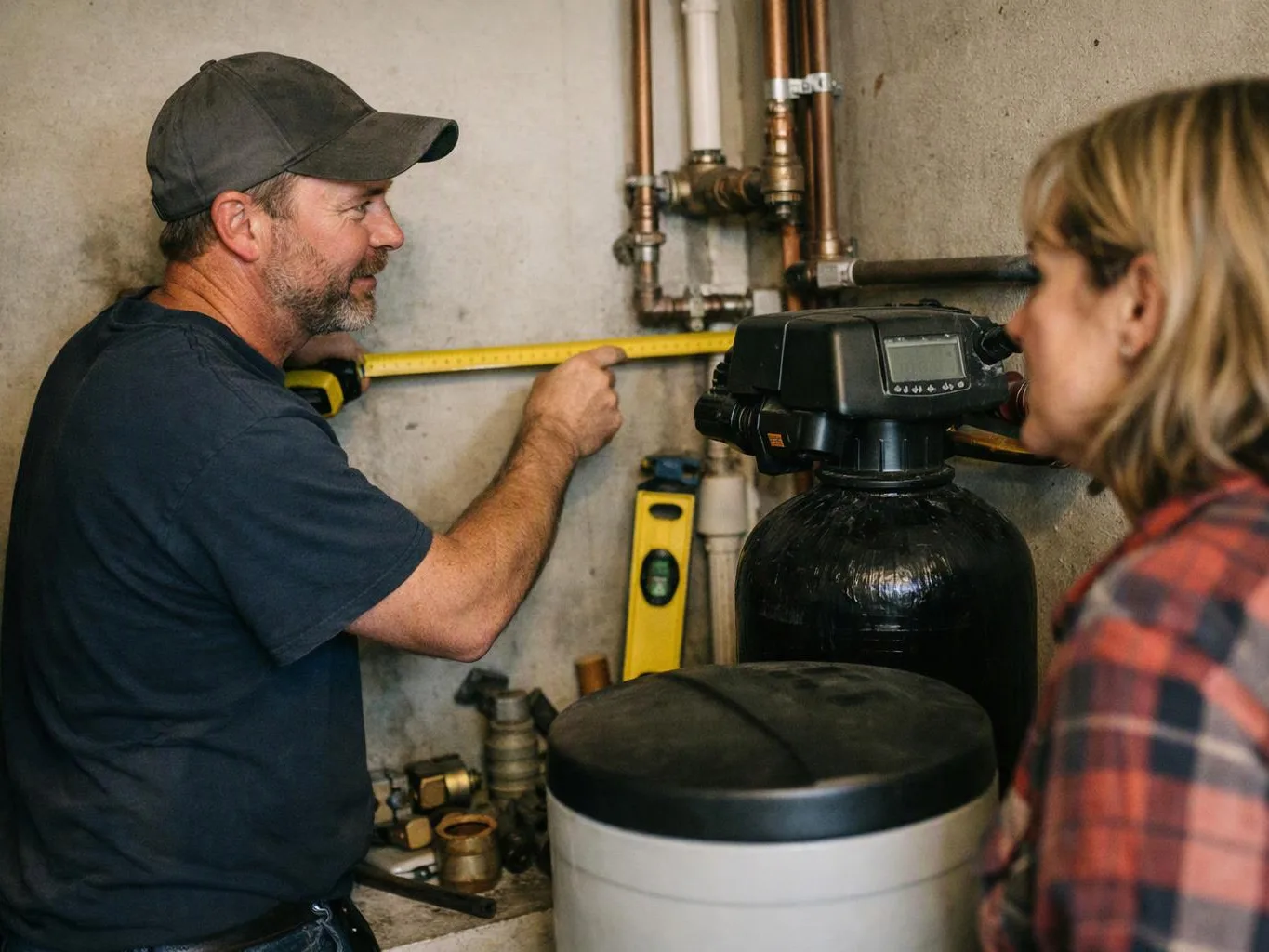
Our team maps the plumbing system before pipe replacement begins. We plan the route, identify shutoff valves and fittings, and account for wall access and floor access.
Whole-house repiping does not always mean replacing every pipe in the property. The final scope depends on which lines carry water and what the inspection shows.
For a closer look at this option, see our Whole-House Repiping service page.
Why Choose Whole-House Repiping?
Whole-house repiping makes sense when an old plumbing system shows damage beyond one repair area. Our team considers hidden pipe damage and future leak risk before recommending broader work.
Best for: homes with recurring leaks, multiple leaks, or broad pipe corrosion.
When Does Spot Repair Make Sense?
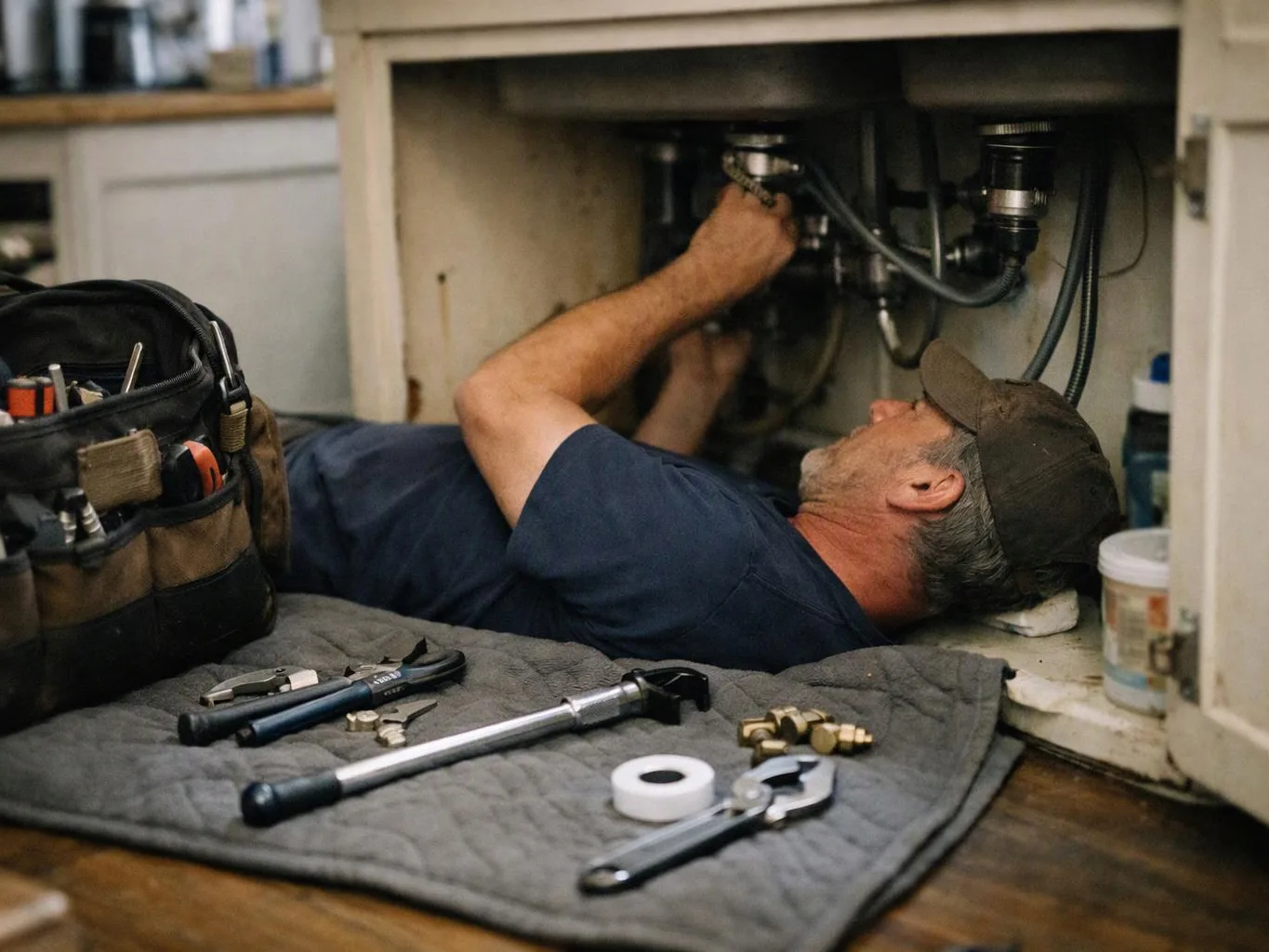
Spot repair makes sense when inspection confirms one localized failure and the surrounding plumbing remains sound.
Our team uses water leak detection to locate the problem and inspect the damaged pipe section or pipe joint. We then check whether repair access is practical and whether nearby lines show related damage.
An isolated leak can often receive a focused repair when the existing plumbing has good condition. A hidden leak or poor access may require more investigation before the repair plan is clear.
Why Choose Spot Repair?
Spot repair fits a confirmed localized pipe damage problem with reliable existing plumbing around it. Our team keeps the repair area focused when broader replacement is not supported by the findings.
Best for: one isolated leak, an accessible pipe joint, or a clearly damaged pipe section.
When Is a Whole-House Repipe Worth Considering?
A whole-house repipe is worth considering when repeated failures, widespread deterioration, or poor pipe condition make isolated repairs unreliable.
Our team reviews repeated leaks, multiple damaged areas, corroded pipes, pipe material, and repair history. Several repairs in different areas can point to a system-wide issue instead of one bad fitting.
Water pressure changes can also support a closer inspection. We connect that symptom with visible damage, leak history, and the condition of the water supply lines.
What Changes the Estimate for This Plumbing Project?
The estimate changes with the affected pipe sections, access conditions, pipe material, home layout, and repair or replacement scope.
Our repiping estimate accounts for the number of affected lines and the route through the home. Wall access, floor access, shutoff work, fittings, and wall restoration can also affect the project.
A spot repair estimate depends on water leak detection, the damaged pipe section, repair access, and nearby pipe condition. We explain each included task before work begins so you can understand the quote.
Requesting an exact quote requires an on-site plumbing inspection. Our team uses the inspection findings to separate confirmed work from possible access or restoration needs.
How We Decide Between Repiping and Spot Repair
Our team decides between whole-house repiping and spot repair by matching inspection findings to the plumbing system condition.
Our process keeps the decision tied to evidence instead of assumptions. We also explain when a focused repair can protect sound existing plumbing.
What Should You Ask Before Approving the Work?
Before approving the work, ask our team to explain the project scope and the inspection findings in plain language. Clear answers help you understand whether the work addresses one failure or a broader pipe problem.
Ask which pipes are affected, how our crew will reach them, and which materials we plan to use. Ask how the water shutoff will work and whether wall restoration or floor access belongs in the quote.
A useful quote should connect the recommended work to the plumbing system condition. It should also identify exclusions, access needs, and the repair or replacement areas.
Which Plumbing Project Fits Your Situation?
Choose spot repair for a verified isolated failure, and consider whole-house repiping when the broader system shows recurring or widespread problems.
Water leak detection and a plumbing inspection provide the facts behind the repair decision. Our team weighs pipe corrosion, water pressure, pipe material, access, and repair history before setting the scope.
When you’re ready to discuss the condition, contact our team for a quote. We’ll explain the recommended water leak repair or pipe replacement plan.
Questions About Repiping and Spot Repair
Can one section of a plumbing system be repaired?
Yes, one section can be repaired when inspection confirms localized damage and sound surrounding pipes. Our team checks access, pipe material, nearby joints, and signs of broader deterioration.
How can you tell if a leak is isolated or part of a larger pipe problem?
Water leak detection, pressure testing, visible damage, and repair history show whether a leak is isolated. Our team also checks nearby pipe condition and looks for multiple leaks or recurring failures.
Does whole-house repiping replace every plumbing pipe?
No, whole-house repiping focuses on the failing water supply lines identified during inspection. The final scope depends on pipe condition, pipe material, layout, and access.
What happens during a water leak detection inspection?
Our team reviews the symptoms, traces the likely leak source, and checks visible plumbing conditions. We may also use pressure testing to define the affected area and prepare a repair recommendation.