Signs Your Home May Have a Sewer Line Problem
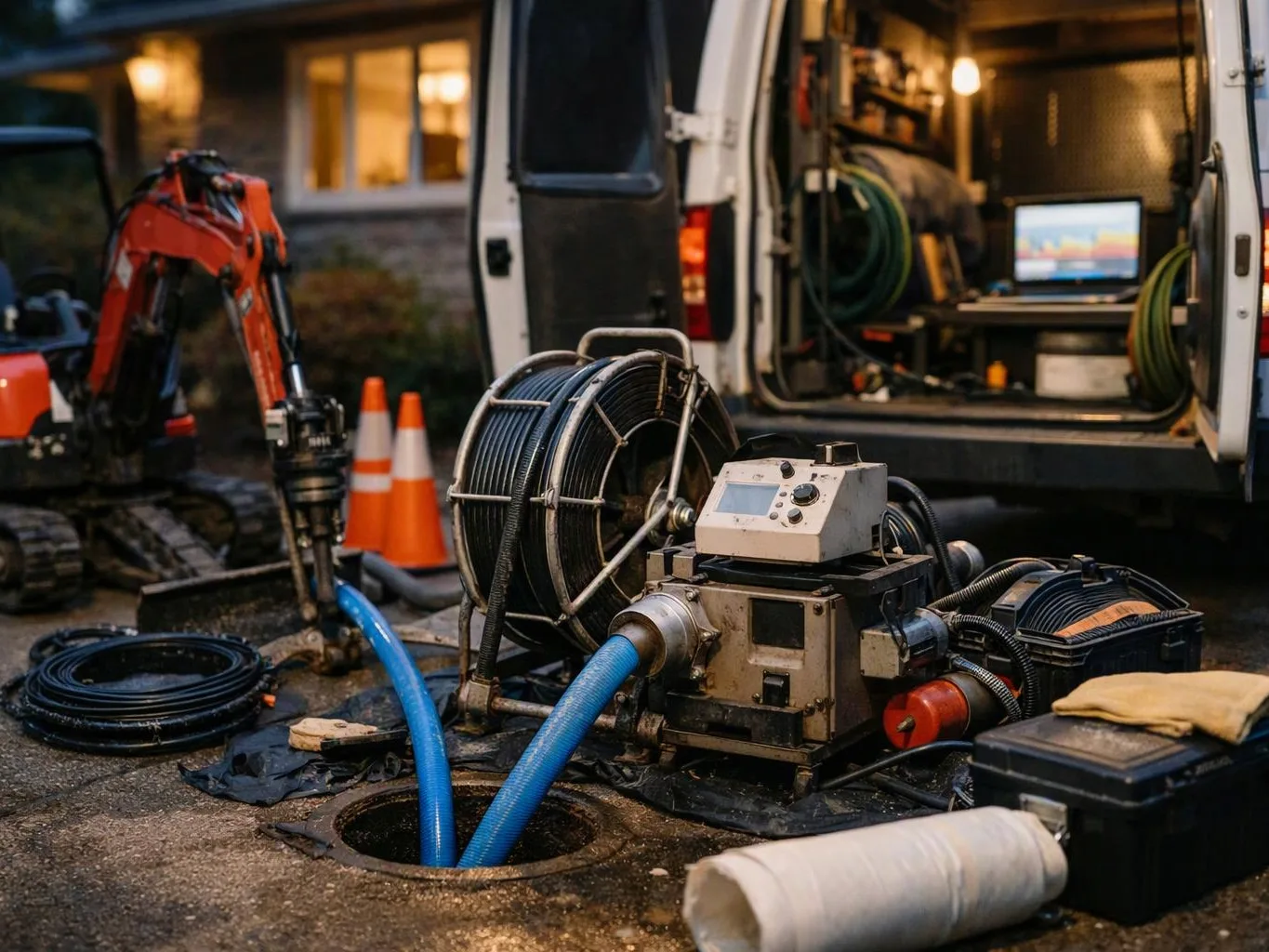
Signs of sewer line problems include repeated slow drains, sewage odors, gurgling toilets, sewage backing into fixtures, and wet areas outdoors. At PlumbingMaplevalley.link, we use sewer line cleaning and camera inspection to help identify the cause.
Request an Estimate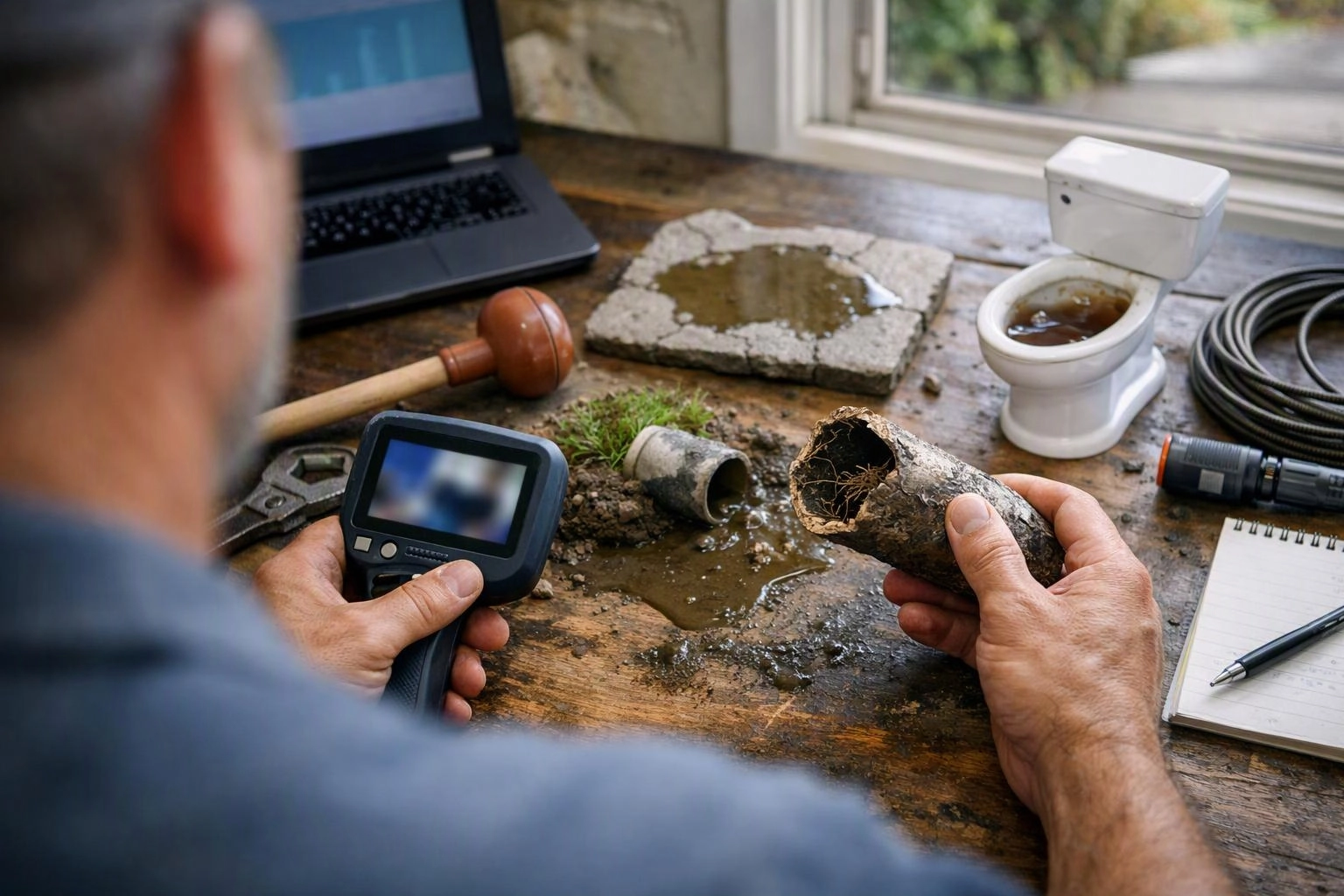
What Are the Main Signs of a Sewer Line Problem?
The main signs of a sewer line problem are repeated slow drains, sewage smells, bubbling toilets, backups, and unexplained wet areas.
These warning signs can reveal trouble in the house drain, main drain, or sewer line. A single slow fixture may have a local clog, but several affected fixtures suggest a shared restriction.
Why Is Your Toilet Bubbling When You Run the Sink?
A toilet bubbles when you run the sink because trapped air is moving through a restricted drain or sewer pipe.
The sink and toilet may connect to the same house drain or main drain. A pipe blockage limits wastewater flow, so air pushes through the toilet trap and creates gurgling sounds.
Toilet bubbling can be an early sign of a main sewer line problem. Stop adding water if the bubbling worsens, and arrange an inspection before sewage backs up.
Why Does Sewage Back Up Into the Tub or Shower?
Sewage backs up into a tub or shower when a blockage prevents wastewater from leaving the home.
The bathtub drain and shower drain are often lower than other plumbing fixtures. When the main sewer line is restricted, wastewater may rise through the lowest drain first.
A sewage backup can carry harmful waste into the living area. Avoid using nearby fixtures until we identify the restriction and restore safe wastewater flow.
What Should You Do When Multiple Drains Back Up?
Multiple backed-up drains usually point to a shared drain or sewer line restriction, so stop using affected fixtures and contact PlumbingMaplevalley.link.
Limit water use from sinks, toilets, washing machines, and other plumbing fixtures. Don't keep running water to test the system, because added flow can worsen the drain backup.
Our team can use sewer line cleaning to clear a confirmed restriction and check whether wastewater flow has returned. We also look for signs that the blockage involves the main drain or sewer pipe.
When Does a Sewer Line Problem Need Prompt Attention?
A sewer line problem needs prompt attention when sewage enters living areas, several fixtures fail, or wastewater keeps returning.
Sewage exposure is a health concern, especially when indoor flooding affects floors, walls, or personal items. Keep people and pets away from contaminated water.
Turn off water use at the affected fixtures, and use the main water shutoff if continued flow is making the problem worse. Contact our team when the issue may be a plumbing emergency.
What Can You Do Yourself, and What Do We Do?
You can limit water use and note affected fixtures, while we inspect the sewer line and clear confirmed restrictions.
Safe troubleshooting helps us understand the pattern without exposing you to sewage or damaging the plumbing. Work involving a buried sewer pipe, blockage location, or pipe condition should be handled by our team.
| Factor | What you can do yourself | What we do |
|---|---|---|
| Drain use | Stop using fixtures that cause backups or bubbling. | Assess the affected fixtures and shared drain path. |
| Information | Note odors, sounds, wet spots, and backup patterns. | Use those details to guide testing and inspection. |
| Blockage location | Avoid unsafe digging or repeated drain chemicals. | Locate the restriction with appropriate drain equipment. |
| Pipe condition | Keep access areas clear when possible. | Inspect for damage, root intrusion, and other pipe problems. |
How Do We Check for a Sewer Line Problem?
A sewer camera inspection shows the inside of the sewer pipe through a cleanout or suitable drain opening.
Our team guides a camera through the line and watches the pipe interior. We look for root intrusion, a cracked pipe, an offset pipe, collapse, or a blockage.
Camera findings help connect the warning signs to the actual pipe condition. They also help us explain whether cleaning may solve the problem or whether the line needs further work.
What Should You Have Ready When You Contact Us?
The most useful information includes affected fixtures, backup history, sewage odor, gurgling sounds, and the cleanout location.
Tell our team whether the problem affects a toilet, sink, bathtub, shower, or several fixtures. Mention wet spots outdoors and any earlier drain cleaning, because those details can guide the inspection.
We can review the situation, explain the recommended inspection or cleaning, and prepare a quote based on the work the sewer line needs.
Questions About Sewer Line Problems
Can a sewer line problem cause a bad smell in the house?
Yes, a sewer line problem can cause a bad smell when wastewater or sewer gas escapes from the drainage system. Our team can inspect the drain path and sewer pipe to help locate the source.
Can tree roots cause sewer line problems?
Yes, tree roots can enter a sewer pipe through weak joints or cracks and restrict wastewater flow. A sewer camera inspection can help us identify root intrusion and related pipe damage.
Can a sewer camera inspection show a cracked pipe?
Yes, a sewer camera inspection can show a cracked pipe when the camera reaches the damaged section. Our team can also look for offsets, root intrusion, collapse, and other blockage conditions.
Contact us to discuss your sewer line warning signs and request a quote for the appropriate inspection or cleaning.
Related Resources
Emergency Plumber vs. Standard Appointment: What to Compare Before You Book
Compared ToHydro Jetting vs. Drain Snaking: Which Service Should You Book?
Compared ToSewer Camera Inspection vs. Cleaning: What to Book Before Approving Work
Compared ToSewer Line Repair vs. Replacement: How to Compare Your Options