Sump Pump Repair and Installation: Problems, Types, and Choices
Sump pump repair addresses faults such as power loss, clogging, float problems, and worn components. At PlumbingMaplevalley.link, we can assess whether repair or replacement fits the system. Installation matches the pump type, pit, discharge route, and backup needs to the property.
Request an EstimateWhy Is My Sump Pump Not Working?
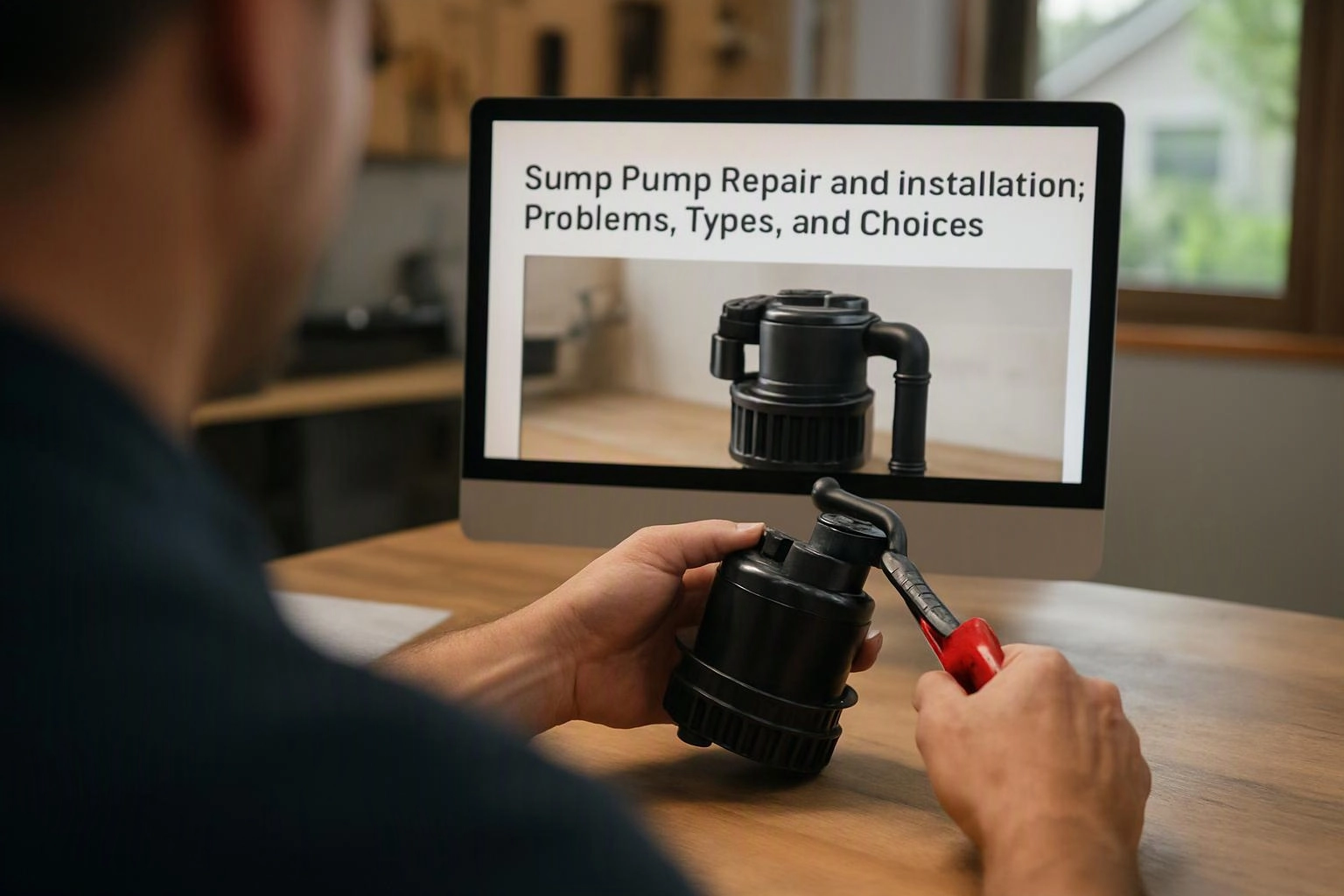
A sump pump may stop working because of power loss, a stuck float, blocked discharge, a failed switch, or motor wear.
We begin with the power supply and circuit breaker. We then inspect the float switch, pump motor, and impeller for movement, damage, or buildup.
A blocked discharge pipe can stop water from leaving the pit. A failed check valve can also send water back into the sump pit after pumping.
What Problems Can Sump Pump Repair Fix?
Sump pump repair can address faults that leave the pump running, prevent pumping, cause noise, or allow water to flow back. Our team diagnoses the fault before choosing a repair.
Common repair findings include the following:
We can explain the failed part and show how it affects basement flooding or crawl-space water. Some faults need a part replacement, while others point to a larger reliability problem.
What Types of Sump Pumps Are Available?
Sump pump types differ by motor position, pit design, power source, noise, maintenance access, and backup function. The right choice depends on the property and the water problem.
| Pump type | Main features | Best fit |
|---|---|---|
| Submersible sump pump | The motor sits in the pit and operates below the water level. | Basements with enough pit space and a need for quieter operation. |
| Pedestal sump pump | The motor stays above the pit for easier maintenance access. | Narrow pits or spaces where access matters. |
| Primary sump pump | The main pump handles regular groundwater entry. | Properties that need routine water removal. |
| Battery backup pump | A separate power source supports pumping during a power failure. | Homes that need added backup protection. |
| Water-powered backup pump | Municipal water pressure powers the backup system. | Properties with suitable water service and local system conditions. |
We check the pit, available power, discharge route, and maintenance access before recommending a pump type. A backup pump should also fit the primary system and the property’s flood risk.
How Do We Match a Sump Pump to the Property?
We match the sump pump to the pit, discharge path, power supply, water conditions, and space available for service. The goal is steady water removal without overloading the pump.
Our team checks pump capacity against the head height and discharge pipe. Head height is the vertical distance water must travel before leaving the property.
We also review the check valve, power supply, and water table. A crawl space may need a different access plan from a finished basement, especially when the pit is hard to reach.
These checks help us select drainage equipment that can work with the existing water management system. We explain any discharge or electrical work before installation begins.
Should You Repair or Replace a Sump Pump?
Sump pump repair suits a clear, limited fault, while sump pump replacement makes more sense when the pump has repeated failures, major wear, or poor reliability.
We consider motor wear, recurring failure, pump age, and the risk of water damage. A repair may restore operation when the motor and housing remain sound.
Replacement can be the better choice when several parts are worn or the pump cannot keep up with the property. We also review whether a backup pump would improve flood protection.
Our assessment connects the fault to the system’s condition. That gives you a clear choice based on reliability, access, and the cost drivers of the work.
When Should a Sump Pump Be Replaced?
Sump pump replacement is appropriate when damage, repeated faults, or unreliable operation makes repair less dependable. We look for signs that the system may fail during heavy groundwater entry.
We test the system and review its history before recommending replacement. The decision should protect the basement or crawl space during the conditions the property faces.
What Happens During Sump Pump Installation?
Sump pump installation includes selecting the pump, preparing the pit, connecting the discharge system, and testing operation. Our team checks each connection so the system can remove water as designed.
Electrical connections require safe, code-compliant work. Our team handles the installation details and explains any inspection or code checks that apply to the system.
What Changes the Cost of Sump Pump Repair or Installation?
Sump pump repair or installation cost changes with the pump type, fault, pit condition, discharge work, access, and backup equipment. We review those factors before providing a quote.
A simple part fault has different requirements from a full pump replacement. Discharge piping, electrical work, pit changes, and backup protection can also change the scope.
Our quote explains the recommended work, required parts, discharge system changes, and testing. To request an exact quote, contact our team through Sump Pump Repair.
How Can You Prepare for Sump Pump Service?
You can prepare by keeping the sump pit accessible, noting recent symptoms, and showing where the discharge line and power source run. Clear access helps our team inspect the system safely.
Write down pump noise, cycling changes, water levels, or signs of water damage. Share the maintenance history and any recent power failure with our crew.
Keep the electrical outlet and discharge route visible when possible. Do not open electrical components or reach into a running pump.
What Should You Ask Before Sump Pump Work Begins?
Before sump pump work begins, ask what the diagnosis found, which parts need replacement, and how the discharge system will be checked. Clear answers help you understand the planned repair or installation.
Ask whether the existing sump pit supports the selected pump and whether the electrical connection meets the required safety standards. You should also ask how backup protection fits the property’s flood risk.
Our team explains the work scope, replacement parts, discharge connections, and operational testing. We also identify access issues that could affect the installation plan.
Questions About Sump Pump Problems and Choices
Can a sump pump discharge pipe cause the pump to fail?
Yes, a sump pump discharge pipe can cause failure when blockage, freezing, poor routing, or a faulty check valve restricts flow. We inspect the discharge path and confirm that water leaves the property correctly.
What should be checked after sump pump installation?
After sump pump installation, the sump pit, float switch, electrical connection, check valve, discharge pipe, and operational test should be checked. Our team confirms that the pump starts, moves water, and stops correctly.