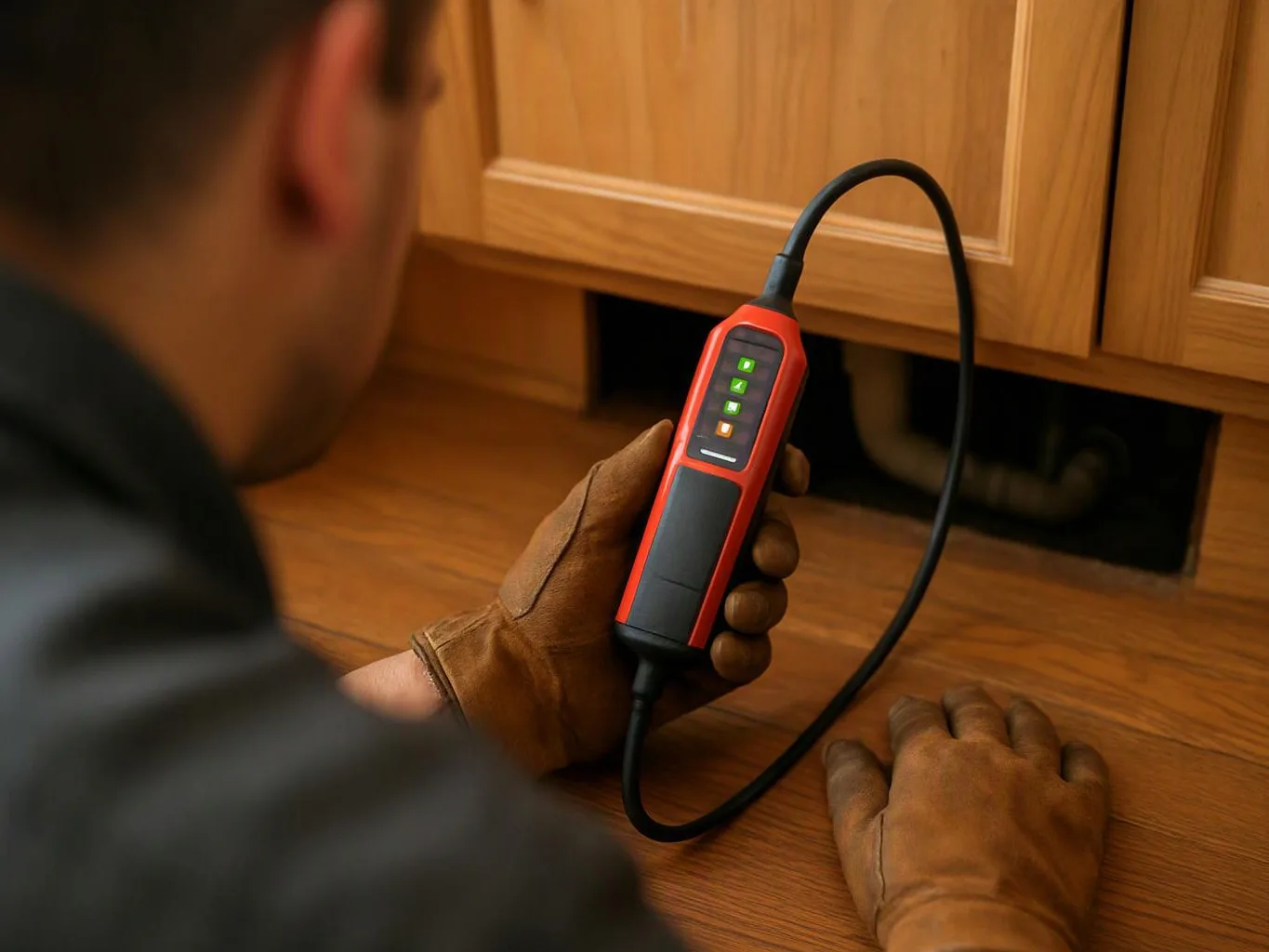
Drain Cleaning Methods: Snaking, Hydro Jetting, and Camera Inspection
Drain cleaning methods serve different problems: snaking opens blocked lines, hydro jetting clears buildup across pipe walls, and camera inspection shows the cause and condition. PlumbingMaplevalley.link uses the findings to guide the right cleaning approach.
Request an EstimateHow Do Snaking, Hydro Jetting, and Camera Inspection Differ?
Drain cleaning methods resolve and diagnose clogs, pipe buildup, and sewer line problems in different ways.
Drain snaking breaks through a blockage, hydro jetting washes buildup from pipe walls, and camera inspection identifies the problem before or after cleaning.
| Method | Main purpose | Best fit | Main limit |
|---|---|---|---|
| Drain snaking | Opens a blocked line | Localized clogs | May not remove buildup across the pipe walls |
| Hydro jetting | Washes buildup from the pipe interior | Grease, scale, and heavy residue | Needs suitable pipe condition and access |
| Sewer camera inspection | Shows the cause and condition | Recurring or unexplained sewer problems | Diagnoses the line but doesn't remove the blockage |
When Is Drain Snaking the Right Method?
Drain snaking is the right method for many localized clogs that block flow but don't require full pipe-wall cleaning.
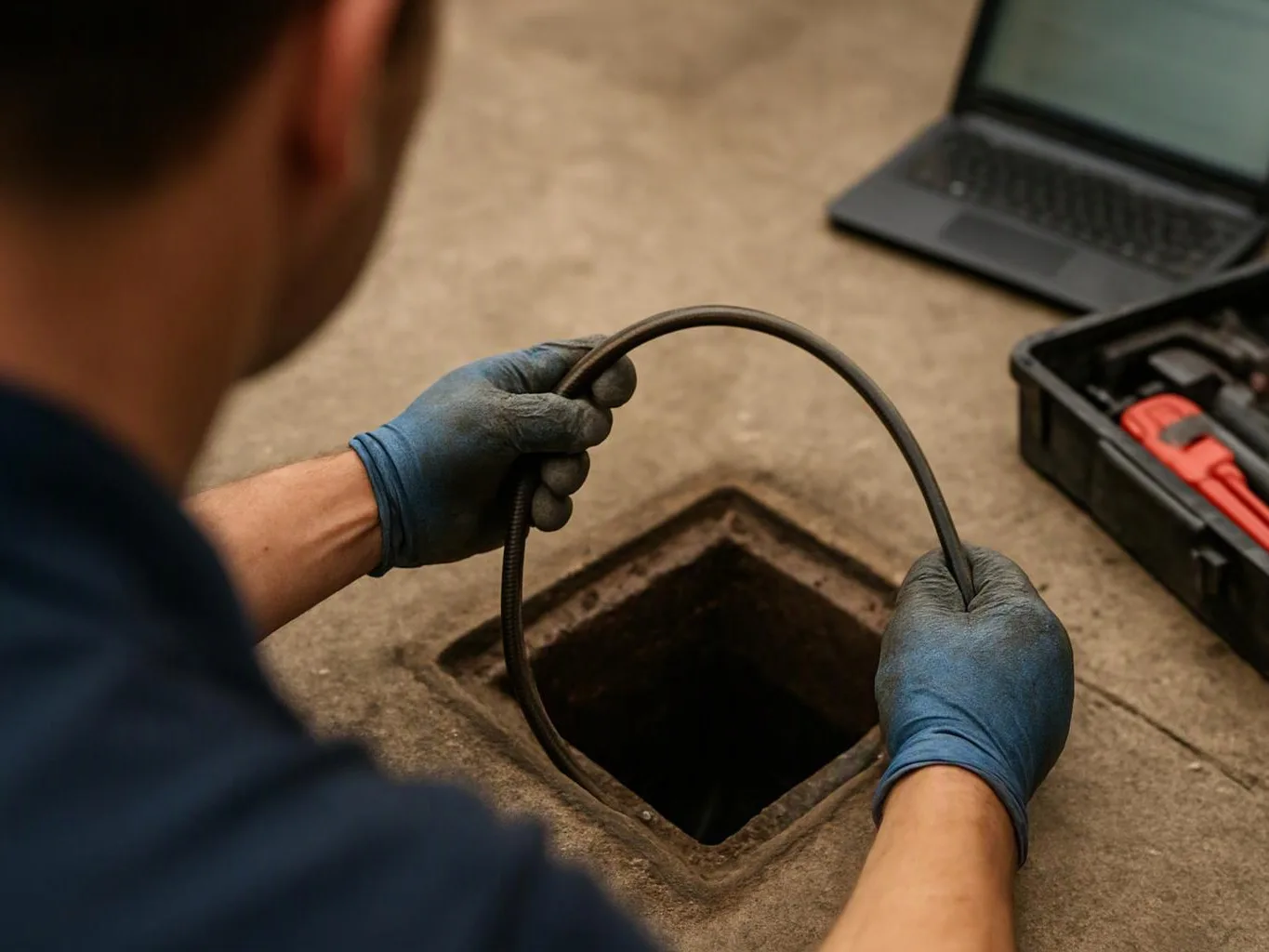
A drain snake, also called a cable auger, uses a flexible drain cable to reach a blockage. Our team may choose it for a hair clog, soap buildup, or a kitchen drain that has stopped flowing.
Snaking can restore drain flow when the obstruction is limited and reachable. A recurring clog may need more investigation because cable snaking can open the path without removing all residue.
Our Drain Cleaning service starts with the symptoms and access point. We match the equipment to the clog location and pipe condition.
When Is Hydro Jetting Used for a Clogged Drain?
Hydro jetting is used when heavy buildup, grease, scale, or recurring blockage needs to be cleared from the pipe walls.
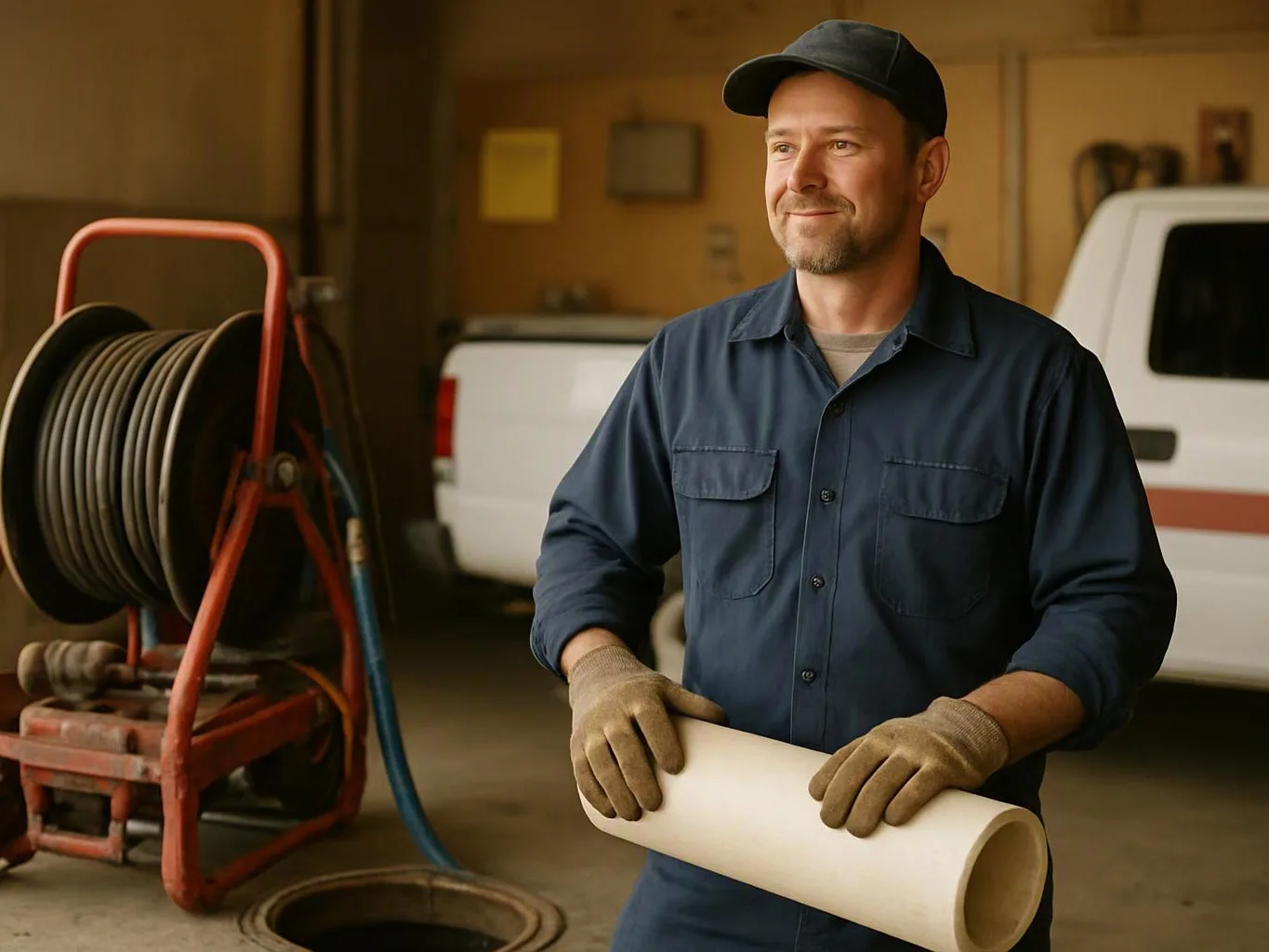
A water jet sends focused water pressure through the sewer pipe. The jetting nozzle helps break apart grease buildup, mineral scale, and residue that a drain snake may leave behind.
Hydro jetting can also support sewer line cleaning when tree roots or other material restrict the line. Root intrusion may return if the underlying pipe problem isn't addressed.
Our team checks access and pipe condition before choosing water jetting. Hydro jetting safety depends on using suitable pressure and the right nozzle for the line.
Does Hydro Jetting Clean the Whole Pipe?
Hydro jetting can clean the accessible interior of a pipe, but the result depends on pipe condition, access, and the type of buildup.
The water stream works along the pipe walls as the nozzle moves through the line. It can improve drain flow by removing grease, scale, and soft deposits across more of the pipe interior.
Hydro jetting cannot repair structural damage. A cracked pipe, collapsed pipe, or badly damaged sewer pipe may need pipe repair after inspection.
Our team uses camera footage and flow testing to check the result. Cleaning alone won't solve a line that cannot hold its shape or safely carry wastewater.
Should a Sewer Camera Inspection Come Before Hydro Jetting?
Yes, a sewer camera inspection should come before hydro jetting when the line may have damage, roots, or an unknown recurring blockage.
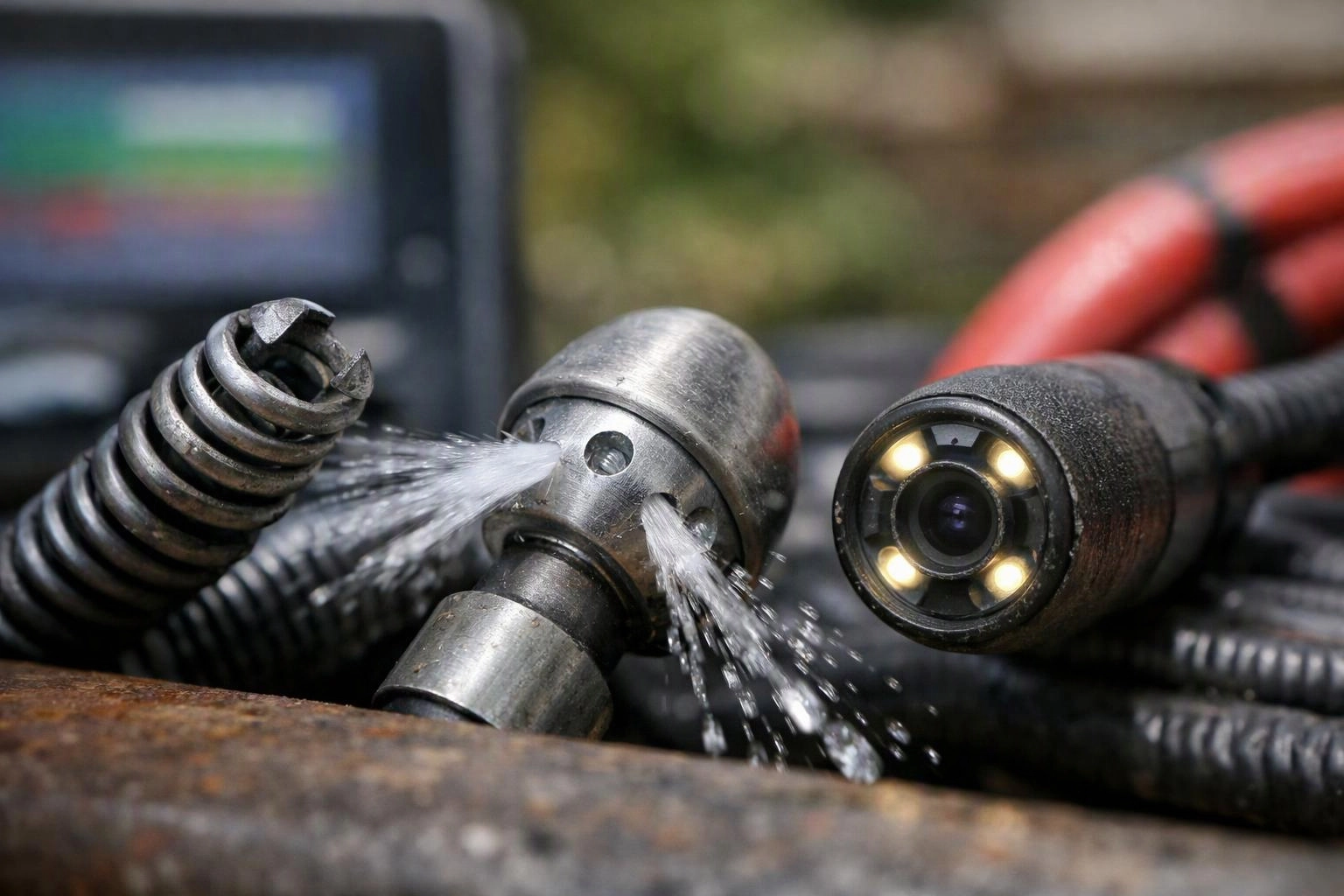
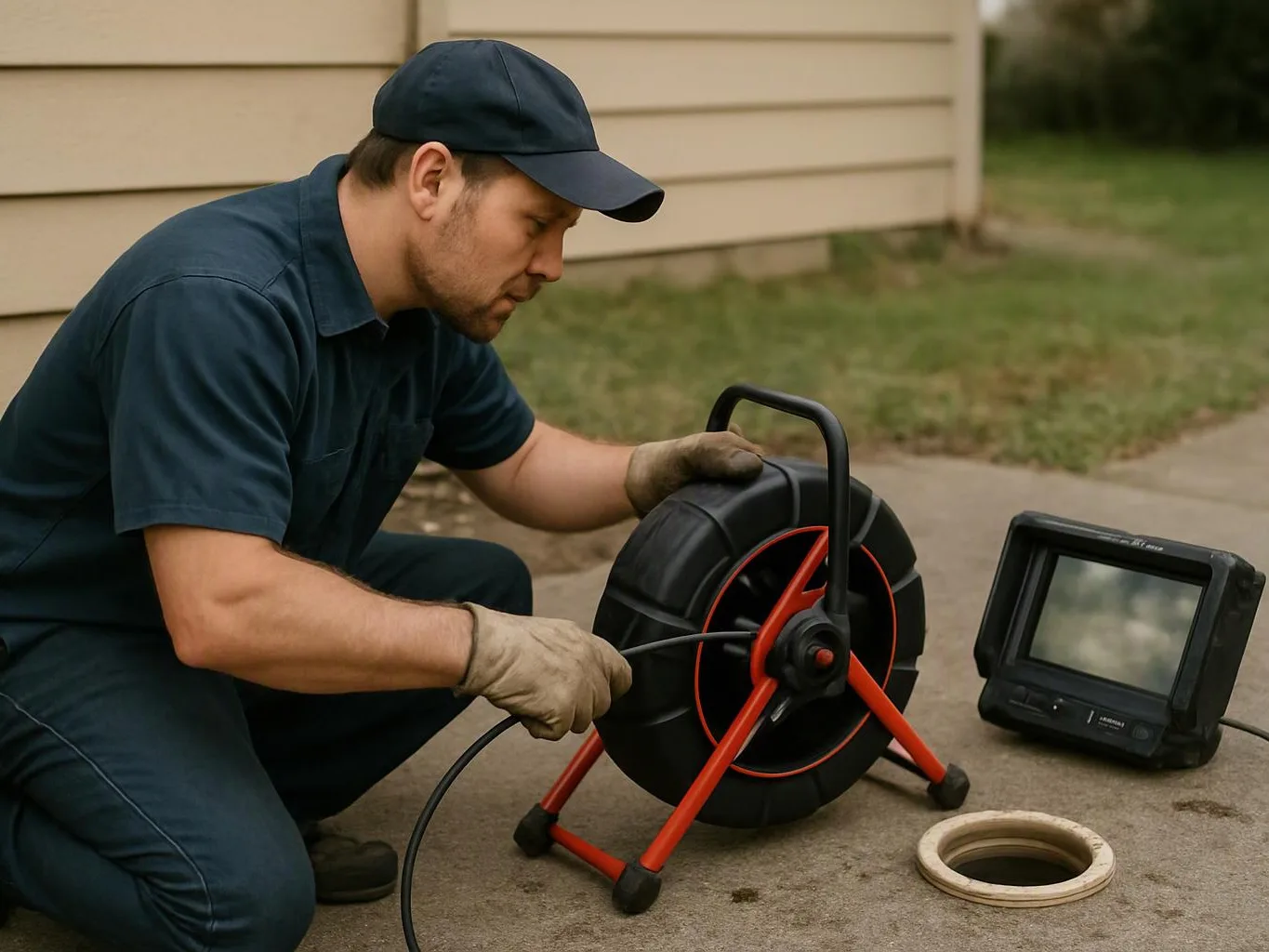
An inspection camera shows pipe damage, root intrusion, and signs of a collapsed pipe. The footage helps our team select a safe cleaning method and avoid treating a structural problem as a simple clog.
Camera inspection is especially useful when a sewer backup returns after cleaning. It can also show whether access through a cleanout is suitable for jetting.
Our crew reviews the pipe condition before applying water pressure. This process supports hydro jetting safety and helps identify when pipe repair is needed.
What We Check Before Choosing a Drain Cleaning Method
Our team checks the blockage and the sewer line before choosing equipment. These factors help us avoid treating the symptom while missing the cause.
The review also helps us explain what the cleaning can accomplish. A clear scope makes the next step easier to understand.
How Our Drain Cleaning Process Works
Our drain cleaning process starts with a drain assessment and ends with flow testing. Each step helps connect the cleaning method to the actual line condition.
We explain the recommended work before cleaning begins. The method may involve a drain snake, hydro jetting, sewer camera inspection, or a combination.
What Changes the Cost of Drain Cleaning on This Job?
Drain cleaning cost depends on access, blockage severity, pipe condition, cleaning method, and whether inspection is needed; we explain the work covered in our quote.
Drain access can affect the equipment and labor needed for the job. A difficult cleanout or limited access may require a different approach.
Clog severity and pipe length also affect the work involved. Heavy grease, scale, roots, or a recurring blockage may call for more extensive cleaning or inspection.
Our quote reflects the selected cleaning method and the sewer line condition we find. Contact us for an exact quote based on the drain assessment.
Which Drain Cleaning Method Fits Your Problem?
The right method depends on whether the problem is a local blockage, pipe-wall buildup, or a damaged sewer line.
A slow drain or simple hair clog may fit localized drain snaking. A grease clog or recurring blockage may point toward hydro jetting after we check the line.
A complete blockage with a sewer backup needs careful assessment. Root intrusion, a cracked pipe, or a collapsed pipe may require repair instead of cleaning alone.
Our team uses the symptoms, inspection findings, and flow test to guide the decision. That approach helps match the cleaning method to the problem.
Questions About Drain Cleaning Methods
Can snaking remove grease from a drain?
Yes, snaking can open a drain with some grease, but it may leave grease buildup on the pipe walls. Our team may recommend hydro jetting when grease causes recurring blockage or poor drainage.
Can hydro jetting damage old pipes?
Yes, hydro jetting can damage a weak or damaged pipe if the method doesn't match the pipe condition. Our team checks the line and chooses suitable pressure and equipment before cleaning.
What signs suggest a sewer line needs camera inspection?
Recurring clogs, repeated sewer backups, unexplained slow drainage, and root intrusion suggest that a sewer line needs camera inspection. Camera footage can show pipe damage that cleaning alone won't correct.
Why does a drain keep clogging after snaking?
A drain can keep clogging after snaking when buildup remains on the pipe walls or the line has pipe damage. Our team may use camera inspection to identify the cause and choose between further cleaning and pipe repair.
Related Resources
Signs a Drain Clog Is More Than a Single Slow Fixture
Compared ToEmergency Plumber vs. Standard Appointment: What to Compare Before You Book
Compared ToHydro Jetting vs. Drain Snaking: Which Service Should You Book?
Compared ToSewer Camera Inspection vs. Cleaning: What to Book Before Approving Work